Aan U Gebonden Ben Ik Vrij
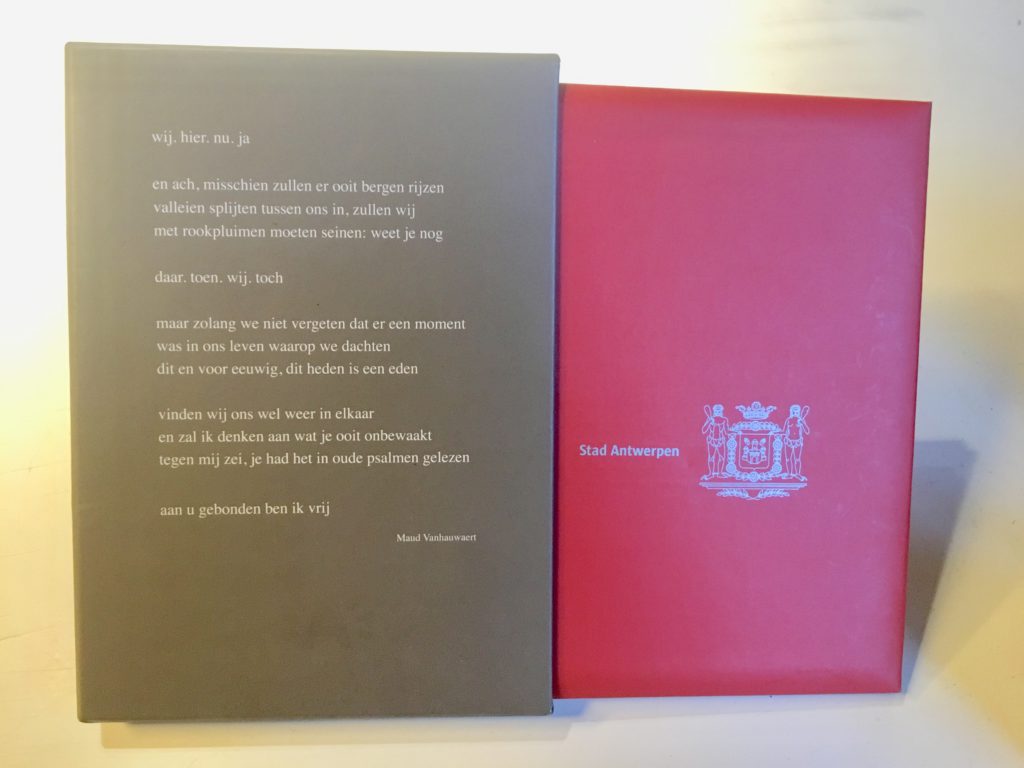
Hey allemaal! Ever heard a phrase that just…sticks with you? Something that sounds a bit paradoxical, maybe even a little mind-bending? Well, let me introduce you to a cool Dutch saying: "Aan U Gebonden Ben Ik Vrij."
Doesn't roll off the tongue as easily as "stroopwafel," does it? But trust me, the meaning is worth the effort. Directly translated, it means: "Bound to You, I am Free." Intrigued? I thought so!
So, What's the Big Deal?
Okay, first things first. Why is this phrase so interesting? Think about it. Freedom and being bound – they seem like total opposites, right? It's like saying "hot ice cream" or "silent roar." It's a contradiction! But that's exactly what makes it so powerful.
Must Read
The beauty lies in the paradox. It suggests that true freedom isn’t necessarily about doing whatever you want, whenever you want, without any restrictions. Instead, it hints that freedom can actually be found within a specific relationship or commitment.
Is your brain doing somersaults yet? Good! Let's unpack this a bit further.
A Deep Dive: The Meaning Behind the Words
The phrase "Aan U Gebonden Ben Ik Vrij" has roots in religious and philosophical thought. While its origins are a bit hazy (attributing it solely to one source is tricky!), it's strongly associated with themes of devotion, faith, and the idea of finding liberation through surrender.
Think of it this way: Imagine a vine. A vine that tries to grow all on its own, unsupported, might struggle, flop around, and never really reach its full potential. But, if that vine is bound to a strong trellis, it can climb, flourish, and produce beautiful fruit. The trellis restricts its movement, but in doing so, it allows the vine to thrive. Make sense?
In the context of faith, the "You" in the phrase often refers to a higher power, like God. The idea is that by surrendering to God's will, by being "bound" to faith and its principles, one actually achieves a deeper, more meaningful freedom. It's the freedom from ego, from selfish desires, from the chaos of a life lived without purpose or guidance.

Beyond Religion: Modern Interpretations
But hey, you don't have to be religious to appreciate the power of this phrase! The core concept can be applied to all sorts of areas in life. It's surprisingly relevant in our modern, often chaotic world.
Let's explore some examples:
- Relationships: Think about a committed relationship with a partner. You're "bound" to them by love, loyalty, and shared responsibilities. Does that mean you're not free? Not at all! In fact, that commitment can provide a safe, supportive space where you can truly be yourself, pursue your dreams, and grow as an individual. The "bond" provides the freedom to be vulnerable and authentic.
- Creative Pursuits: Ever tried writing a song or painting a picture without any rules or guidelines? It can be overwhelming! Sometimes, limitations can actually spark creativity. Being "bound" to a specific genre, a particular medium, or even a self-imposed challenge can force you to think outside the box and create something truly unique. It’s like the old saying, "Necessity is the mother of invention."
- Personal Growth: Maybe you're trying to break a bad habit or achieve a fitness goal. You're "bound" to a routine, a set of rules, or a commitment to yourself. It might feel restrictive at times, but that structure is what allows you to make progress, build discipline, and ultimately achieve the freedom from that unwanted habit or the freedom of a healthier body.
Basically, "Aan U Gebonden Ben Ik Vrij" highlights the idea that sometimes the limits we place on ourselves, or the commitments we make, can actually be the keys to unlocking our full potential and experiencing true freedom.

Why is This Relevant Today?
In a world obsessed with individualism and the pursuit of endless options, "Aan U Gebonden Ben Ik Vrij" offers a powerful counterpoint. We're constantly bombarded with messages telling us to "follow our dreams," "be true to ourselves," and "live without limits." Which is great, in theory!
But sometimes, this relentless pursuit of individual freedom can leave us feeling lost, disconnected, and overwhelmed. We bounce from one thing to another, chasing fleeting moments of pleasure, without ever finding true fulfillment. Does that sound familiar to anyone?
The Dutch saying reminds us that meaningful connections, commitments, and even limitations can provide a sense of purpose, belonging, and ultimately, freedom. It encourages us to consider that maybe, just maybe, the path to true freedom isn't about having everything available to us, but about choosing something specific and committing to it fully.
Think of it like this:
- Endless scrolling vs. a good book: Scrolling through social media gives you the illusion of infinite choices, but often leaves you feeling empty. Diving into a good book, on the other hand, limits your focus but can transport you to another world and leave you feeling enriched.
- Dating apps vs. a committed relationship: Dating apps offer a buffet of potential partners, but can lead to superficial connections and endless swiping. A committed relationship might "bind" you to one person, but it can also provide deep intimacy, support, and the freedom to be truly vulnerable.
- Wandering vs. Rooting: Wandering aimlessly might seem like freedom, but choosing a place, rooting yourself, and contributing to a community can bring a different kind of freedom – the freedom of belonging and purpose.
So, What Now?
Next time you feel overwhelmed by choices or like you're drifting aimlessly, remember "Aan U Gebonden Ben Ik Vrij." Ask yourself: What commitments or limitations could actually help me feel more free, more grounded, and more fulfilled?
Maybe it's joining a club, volunteering for a cause, dedicating yourself to a creative project, or simply nurturing a relationship. Whatever it is, embrace the paradox. Embrace the idea that being bound can actually set you free.
It's a cool concept, right? I hope this little exploration has given you something to think about. Feel free to share your thoughts in the comments below! What does "Aan U Gebonden Ben Ik Vrij" mean to you?