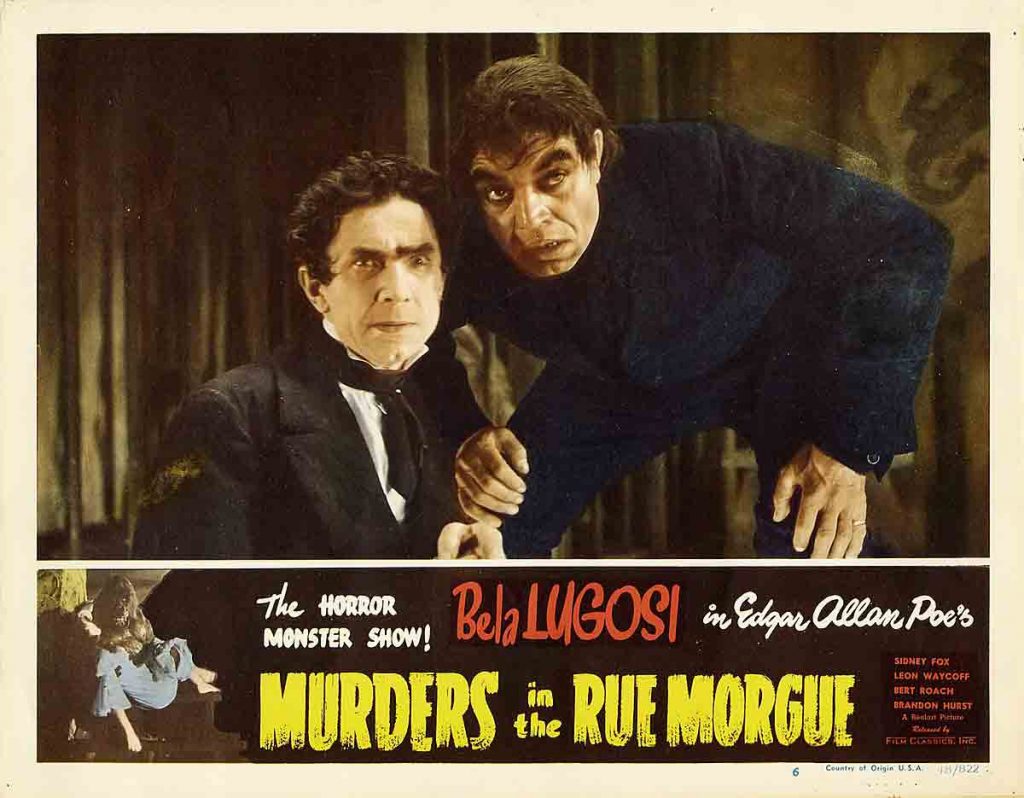
Edgar Allan Poe Murders In The Rue Morgue

Edgar Allan Poe's "The Murders in the Rue Morgue," published in 1841, is often considered the first true detective story. It introduced the world to C. Auguste Dupin, an amateur sleuth who solves seemingly impossible crimes through observation, deduction, and analytical prowess. This narrative not only laid the groundwork for the detective fiction genre but also explored themes of societal prejudice, the nature of rationality, and the dangers of unchecked fear.
The Unsolvable Crime: A Locked Room Mystery
The core of "The Murders in the Rue Morgue" lies in its perplexing central mystery: the gruesome murders of Madame L'Espanaye and her daughter, Mademoiselle Camille L'Espanaye, in their locked room apartment. The apartment, situated on the fictitious Rue Morgue in Paris, shows signs of extreme violence, yet no apparent means of escape or entry for the perpetrator. The victims are found in horrifying states – one strangled to death, the other brutally forced up a chimney. The apartment itself is described as being in disarray, suggesting a frenzied attack.
The Details that Defy Logic
The seemingly impossible nature of the crime immediately captivates the public and baffles the police. Witnesses report hearing two distinct voices during the attack, one recognizably French and the other speaking in a language unknown to anyone present. The locked door, the barred windows, and the chimney's impractical size for human passage all contribute to the feeling that the crime is inherently unsolvable by conventional methods. This creates a potent atmosphere of mystery that challenges the reader to consider alternative explanations.
Must Read
C. Auguste Dupin: The Birth of the Analytical Detective
Enter C. Auguste Dupin, a man of independent means who possesses an extraordinary intellect and a keen interest in solving mysteries. Dupin, unlike the bumbling police prefect G—, approaches the case with a focus on reason and observation. He is portrayed as a brilliant analyst, capable of seeing patterns and connections that escape the notice of others. He believes that true intelligence lies not in possessing vast knowledge, but in the ability to utilize that knowledge effectively through deduction.
Dupin's Method: Observation and Deduction
Dupin's method centers on intense observation and meticulous deduction. He analyzes the newspaper reports, taking into account not just the facts presented, but also the biases and assumptions that might have influenced the reporting. He emphasizes the importance of putting oneself in the mind of the criminal, attempting to understand their motives and methods. This empathic approach allows him to formulate hypotheses that are both logical and imaginative. Crucially, Dupin values understanding the psychology of both the criminal and the authorities, recognizing how preconceptions can blind one to the truth.
The Solution: An Unlikely Culprit
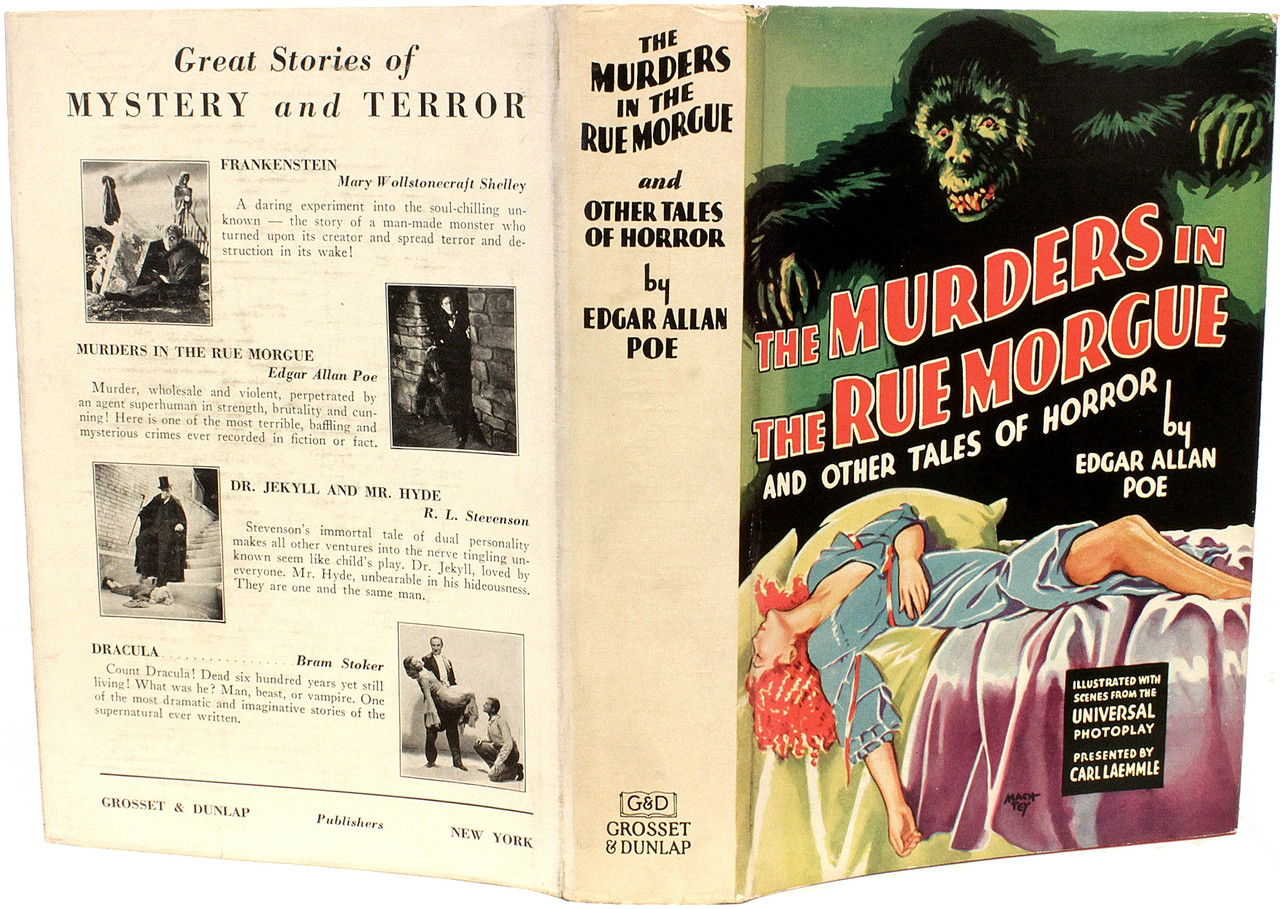
Through his unique approach, Dupin arrives at a startling conclusion: the murders were committed not by a human being, but by an orangutan. He explains that the unknown language heard by witnesses was, in fact, the unintelligible cries of a primate. He then postulates that the orangutan escaped from its owner and, driven by instinct and rage, committed the violent acts. This solution, while seemingly outlandish, is supported by the evidence: the immense strength required to force Mademoiselle L'Espanaye up the chimney, the peculiar grip marks on Madame L'Espanaye's neck, and the sheer brutality of the crime scene.
The Sailor's Confession: Corroborating Evidence
Dupin places an advertisement in a newspaper regarding a found orangutan. A sailor, recognizing his escaped primate, visits Dupin's apartment to claim it. Dupin, having anticipated this, confronts the sailor with the evidence, leading him to confess that the orangutan escaped and committed the murders after witnessing the sailor shaving. The sailor's confession corroborates Dupin's theory, confirming that the perpetrator was indeed an animal driven by instinct and fear.
Themes and Interpretations
"The Murders in the Rue Morgue" explores several significant themes beyond the immediate mystery. It can be interpreted as a commentary on the limitations of conventional reasoning and the power of unconventional thinking. Dupin's success highlights the importance of challenging assumptions and looking beyond the obvious.
Societal Prejudice and Fear of the "Other"
The story also subtly touches upon societal prejudice and the fear of the "other." The initial inability of the witnesses to identify the language spoken by the murderer reflects a tendency to dismiss anything unfamiliar or foreign. This fear is amplified by the violence of the crime, leading to widespread panic and suspicion. The fact that the perpetrator is ultimately revealed to be an animal can be seen as a metaphor for the dehumanization of those who are different or misunderstood.

Rationality vs. Irrationality
The narrative highlights the contrast between rationality and irrationality. The police, representing conventional law enforcement, are driven by assumptions and are unable to see beyond the surface of the crime. Dupin, on the other hand, represents the power of reason and observation, using his analytical skills to uncover the truth. The story suggests that true understanding requires a willingness to embrace unconventional perspectives and challenge established beliefs. The contrast is further emphasized by the seemingly irrational nature of the perpetrator itself: an animal acting on instinct, devoid of the moral compass or societal constraints that govern human behavior.
Real-World Echoes and Lasting Influence
While the concept of an orangutan committing murder might seem far-fetched, it's important to remember that the story reflects anxieties about the unknown and the potentially dangerous nature of the wild. In the 19th century, encounters with exotic animals were becoming more frequent, leading to a fascination, but also a fear, of the power of untamed nature. The story's influence on the detective genre is undeniable. Countless detective stories have since followed the formula established by Poe, featuring brilliant detectives who solve seemingly impossible crimes through deduction and observation. From Sherlock Holmes to Hercule Poirot, the legacy of C. Auguste Dupin can be seen in almost every subsequent detective figure.

Furthermore, the themes of prejudice and the fear of the "other" continue to resonate in contemporary society. The story serves as a reminder of the dangers of making assumptions based on appearances and the importance of approaching the unknown with curiosity and empathy rather than fear.
Conclusion: The Enduring Power of Analytical Thinking
"The Murders in the Rue Morgue" remains a compelling and influential story due to its groundbreaking approach to crime fiction and its exploration of profound themes. Poe's introduction of C. Auguste Dupin established the archetype of the analytical detective, forever changing the landscape of the genre. The story's emphasis on observation, deduction, and the importance of challenging assumptions continues to inspire readers and writers alike. The key takeaway is the power of analytical thinking in overcoming seemingly insurmountable challenges. By encouraging readers to question their own preconceptions and embrace unconventional perspectives, Poe's masterpiece remains relevant and thought-provoking in the 21st century.
Perhaps you can apply Dupin's methods to solve your daily problems, or even inspire you to write your own crime fiction story.

![25 Suspense Books for Free! [PDF]](https://www.infobooks.org/wp-content/uploads/2024/02/the-murders-in-the-rue-morgue-edgar-allan-poe.webp)