Ib English Paper 1 Example
Oké, oké, let's be real. We've all been there. You're staring down the barrel of the IB English Paper 1, and it feels less like a literary adventure and more like a psychological thriller where you're the victim. It's supposed to be this sophisticated exploration of literary techniques, and you're just trying to remember the difference between a metaphor and a simile (hint: one's a little more "like"). Maar geen paniek! I'm here to spill the thee, Nederlandse stijl, on how to tackle this beast. Beschouw me als je persoonlijke IB English Paper 1 coach, maar dan met meer slechte grappen en minder serieuze levenslessen.
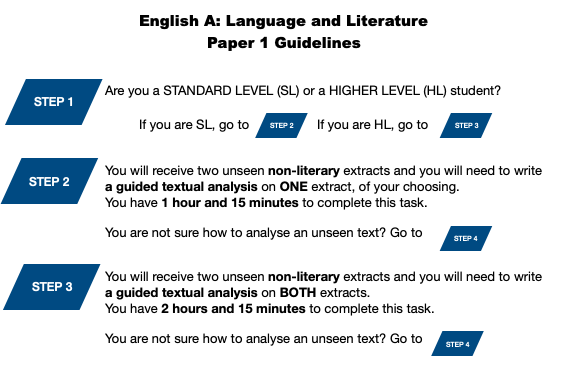
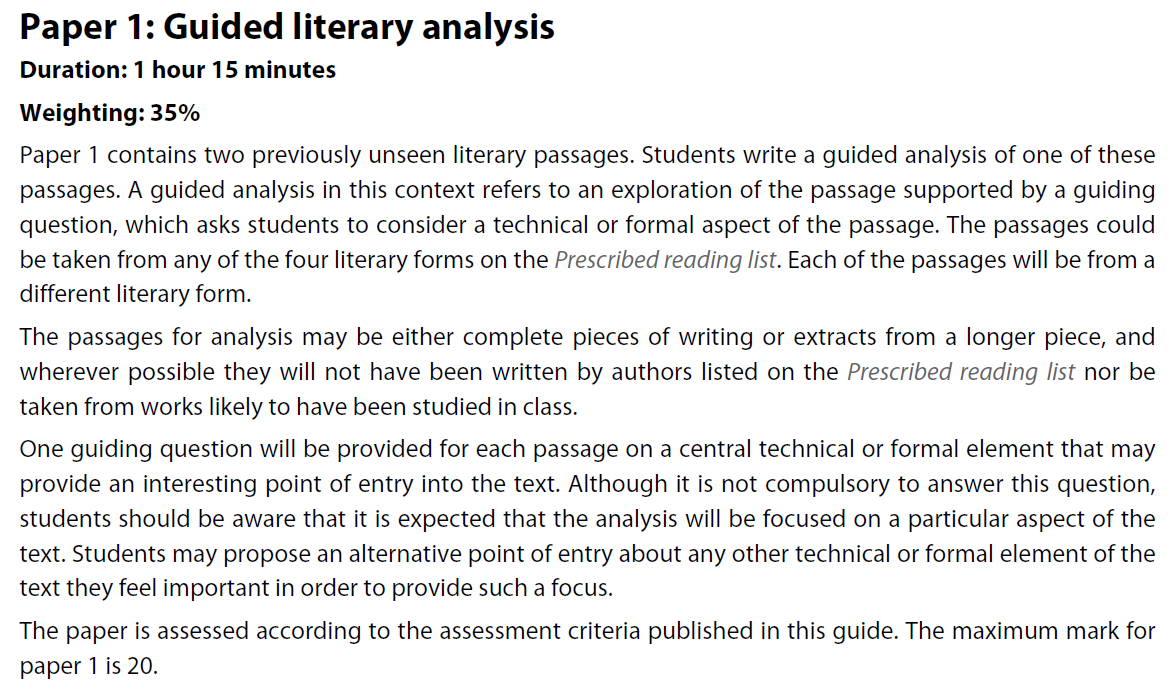
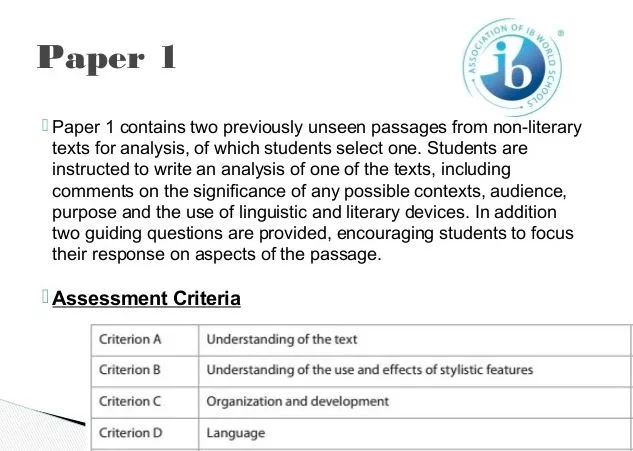
Before we dive in, let's address the elephant in the room (or maybe the olifant in de kamer, if you're feeling extra Dutch). Why does this paper even exist? Well, it's all about demonstrating your ability to analyse unseen texts. Basically, the IB wants to see if you can read something you've never seen before, figure out what it's trying to do, and explain it in a way that makes you sound smarter than you actually are. Klinkt eng, hè? Maak je geen zorgen, we gaan je trucjes leren.
De Structuur: Een Stappenplan voor Succes
First things first, let's understand the anatomy of this exam. Think of it like a delicious stroopwafel. You need to know what layers make it so good (or in this case, what elements will get you that sweet sweet grade).
Must Read
- De Tekst: Je krijgt een onbekende tekst. It could be anything from a newspaper article about competitive cheese rolling (yes, that’s a real thing, look it up!) to a snippet from a novel about a talking cactus. Expect the unexpected!
- De Vragen: There's usually one main question, often focusing on how the author uses language and literary devices to achieve a certain effect. Think: "How does the author use language to create a sense of tension?" Of "Analyse the use of imagery in this passage."
- Je Antwoord: This is your masterpiece, your magnum opus, your chance to shine! You need to write a clear, well-structured essay that demonstrates your understanding of the text and the author's techniques.
Klinkt eenvoudig, toch? Nou, laten we wat dieper ingaan, want de duivel zit in de details, zoals ze zeggen.
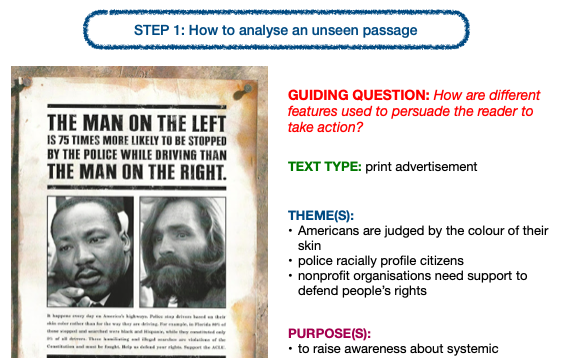
Stap 1: Lees de Tekst... Grondig!
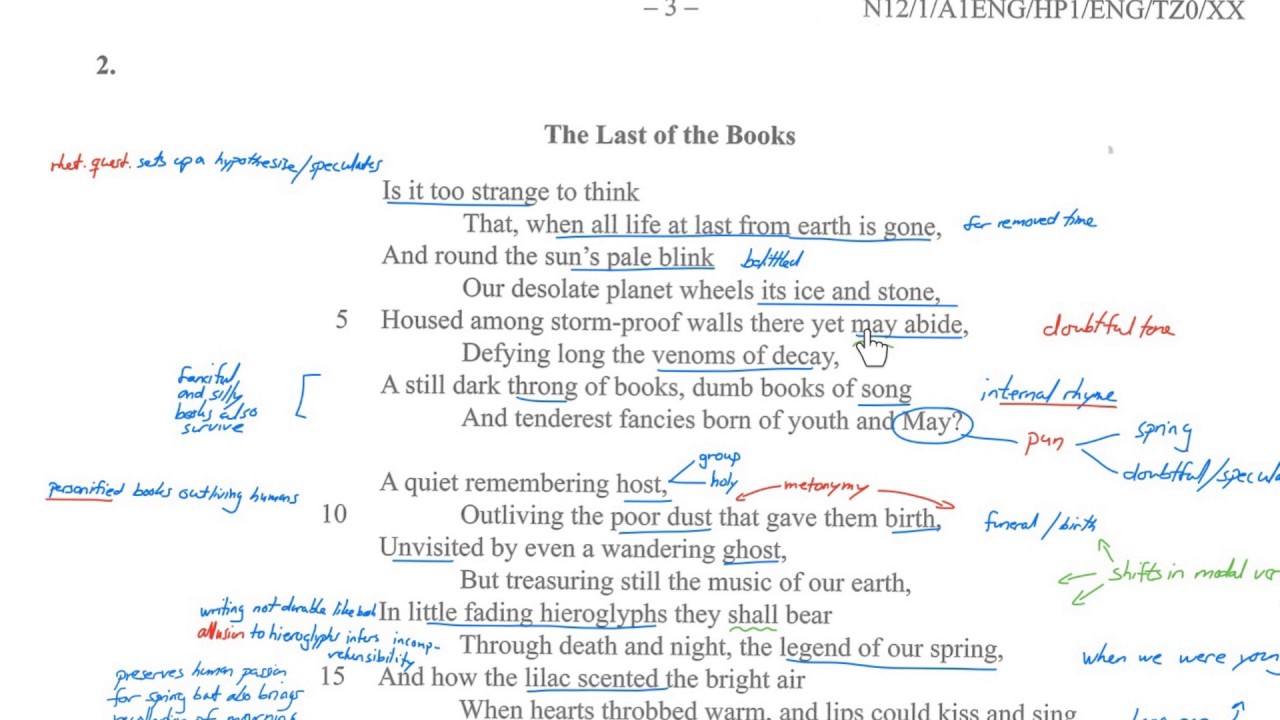
This sounds obvious, but you'd be surprised how many people skim the text and then panic. You need to read it carefully, multiple times. Don't just look at the words, think about what they mean. Annotate! Highlight! Circle! Write notes in the margins like a crazy person! (But maybe do it neatly, so the examiner doesn't think you’re actually crazy.)

- Eerste Lezing: Just get the gist. What's the text about? What's the overall tone? Is it happy? Sad? Angsty like a teenager who just ran out of eyeliner?
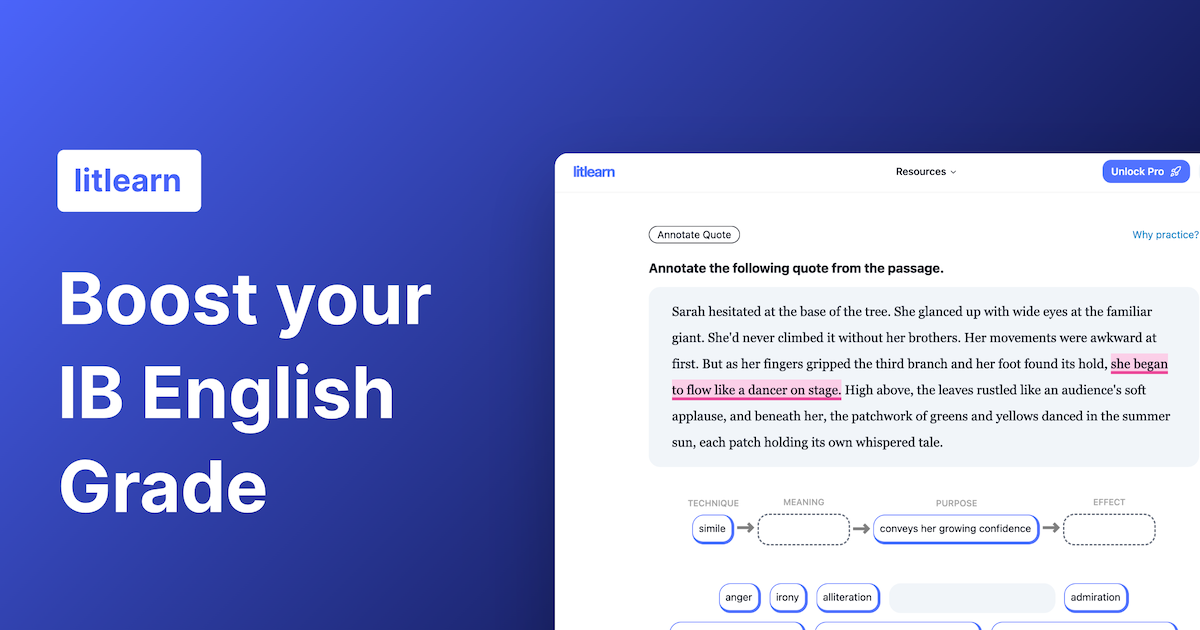
- Tweede Lezing: Look for specific techniques. Where does the author use metaphors, similes, personification, alliteration, or any other fancy literary devices? Find the evidence!
- Derde Lezing (Optioneel): If you have time, read it again. Focus on the overall effect. How do all these techniques work together to create a specific impact on the reader?
Imagine it like this: you’re a detective, and the text is your crime scene. You need to examine every clue, every detail, to figure out who did it (or, in this case, what the author was trying to achieve).
Stap 2: Plan Je Aanpak: Vermijd de Chaos!
Don't just start writing! That's a recipe for disaster. Take a few minutes to plan your essay. Think about your thesis statement (the main argument you're going to make) and the points you're going to use to support it. An essay without a plan is like a fiets without wielen: it's going nowhere fast.
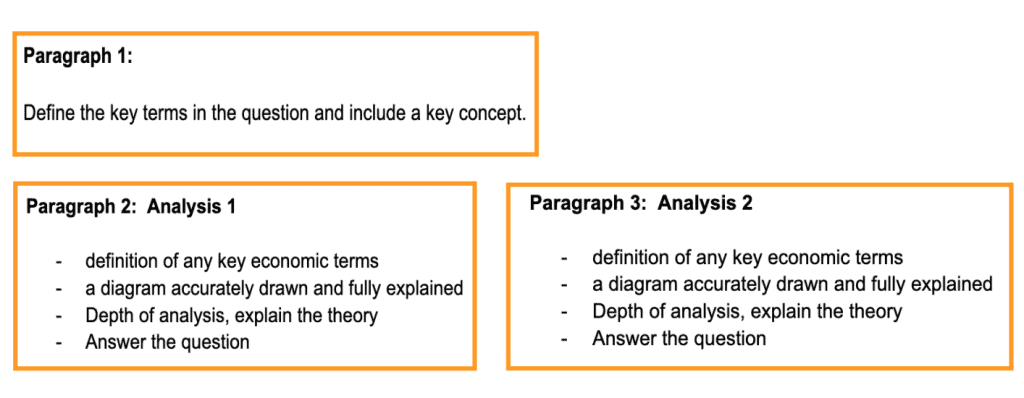
Here's a simple structure you can use:
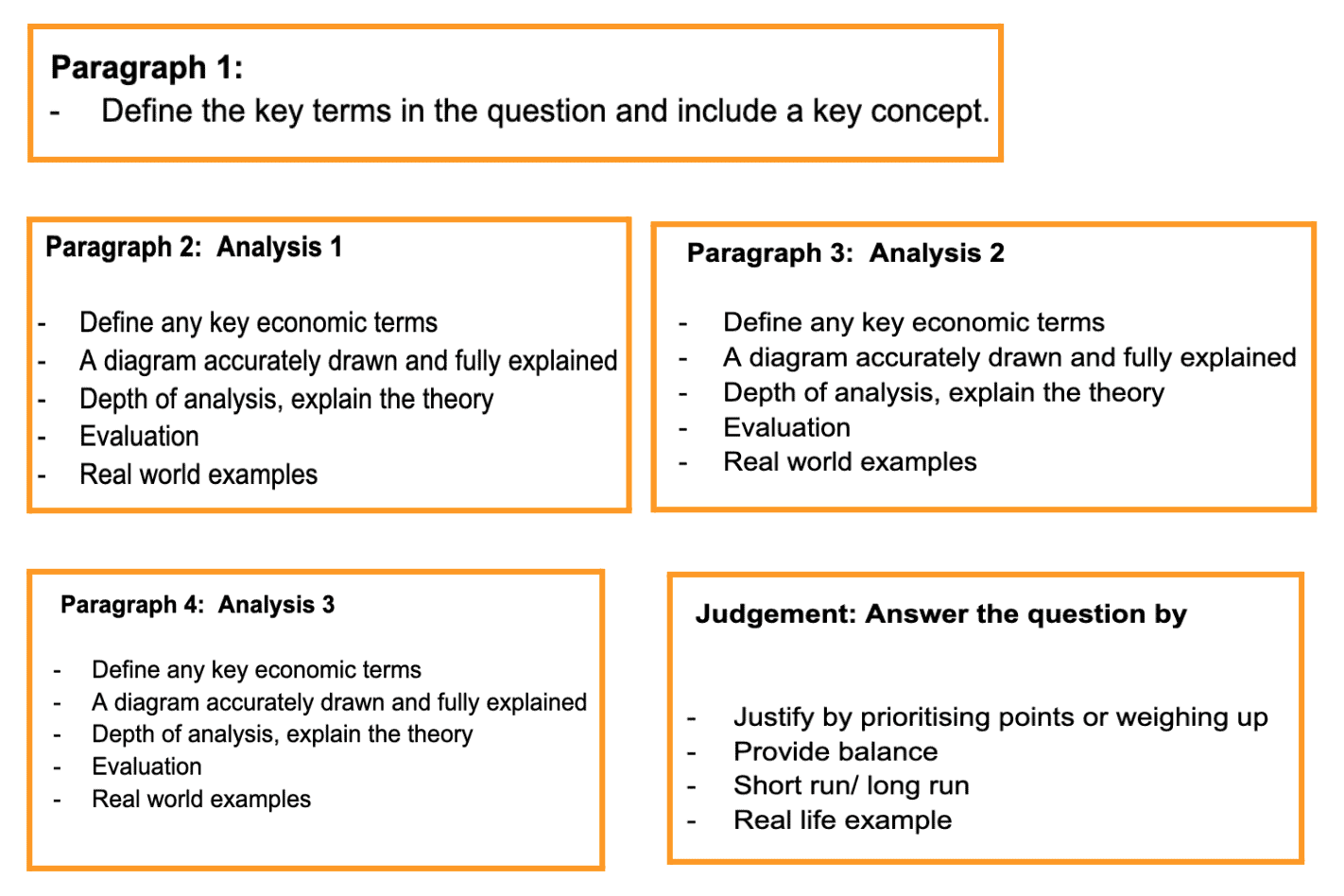
- Inleiding: Introduce the text, the author, and your thesis statement. What are you going to argue in your essay?
- Body Paragraphs (3-4): Each paragraph should focus on a specific aspect of the text and provide evidence to support your argument. Use PEEL! (Point, Evidence, Explanation, Link).
- Conclusie: Summarize your main points and restate your thesis. Don't introduce any new information. Just wrap it all up nicely like a kadootje.
Stap 3: Schrijven maar! De Essay Zelf
Now it's time to put pen to paper (or fingers to keyboard, depending on how your exam is formatted). Remember, clarity is key. Write in clear, concise language. Avoid jargon and overly complicated sentences. The examiner wants to understand your argument, not decipher a secret code.
Here are some tips for writing each section:
- Inleiding: Start with a broad statement about the text and gradually narrow it down to your thesis statement. For example: "The poem 'The Raven' by Edgar Allan Poe is a haunting exploration of grief and loss. Through the use of vivid imagery and unsettling sound devices, Poe creates a palpable sense of despair that resonates with the reader."
- Body Paragraphs: Use PEEL!
- Point: State your main point for the paragraph. For example: "Poe effectively uses imagery to create a dark and oppressive atmosphere."
- Evidence: Provide evidence from the text to support your point. For example: "The poem is filled with images of darkness, such as 'midnight dreary' and 'grim, ungainly, ghastly, gaunt, and ominous bird.'"
- Explanation: Explain how the evidence supports your point. For example: "These images evoke a sense of gloom and foreboding, contributing to the overall feeling of despair."
- Link: Link your paragraph back to your thesis statement. For example: "This use of imagery effectively reinforces Poe's exploration of grief and loss, creating a powerful and lasting impact on the reader."
- Conclusie: Summarize your main points and restate your thesis. For example: "In conclusion, Poe masterfully uses imagery and sound devices to create a chilling and unforgettable exploration of grief and loss. Through these techniques, he effectively conveys the profound sense of despair that permeates the poem."
Stap 4: Proeflezen! Voorkom Blunders!
This is crucial! Before you submit your essay, take a few minutes to proofread it carefully. Look for spelling errors, grammatical mistakes, and awkward phrasing. A few silly errors can detract from your overall grade. Imagine serving a delicious bitterbal with a hair on it! Gross, toch?
Read your essay aloud. This will help you catch errors that you might miss when reading silently. You can even ask a friend to proofread it for you. A fresh pair of eyes can often spot mistakes that you've overlooked.
Handige Tips en Trucs (om je score op te krikken)
Okay, now for the good stuff. Here are some insider tips and tricks to help you ace that IB English Paper 1:
- Ken je Termen: Make sure you know your literary terms. Metaphors, similes, personification, alliteration, imagery, symbolism... the list goes on! Knowing these terms will help you identify the techniques the author is using and explain their effect.
- Varieer je Woordkeuze: Don't use the same word over and over again. Use a thesaurus to find synonyms. Instead of saying "the author uses imagery," try saying "the author employs evocative imagery" or "the author utilizes vivid imagery."
- Show, Don't Tell: Don't just say that the author is creating a sense of tension. Show how the author is creating a sense of tension by providing specific examples from the text.
- Wees Specifiek: Don't make general statements. Be specific in your analysis. Instead of saying "the author uses language effectively," say "the author uses a combination of metaphors and similes to create a vivid and memorable image."
- Oefening Baart Kunst: Practice makes perfect! The more you practice analyzing unseen texts, the better you'll become at it. Ask your teacher for practice papers or find some online.
En vergeet niet, have confidence! You've got this. The IB English Paper 1 may seem daunting, but with a little preparation and a lot of practice, you can conquer it. Now go forth and analyse! En geniet van die welverdiende frietjes na afloop!