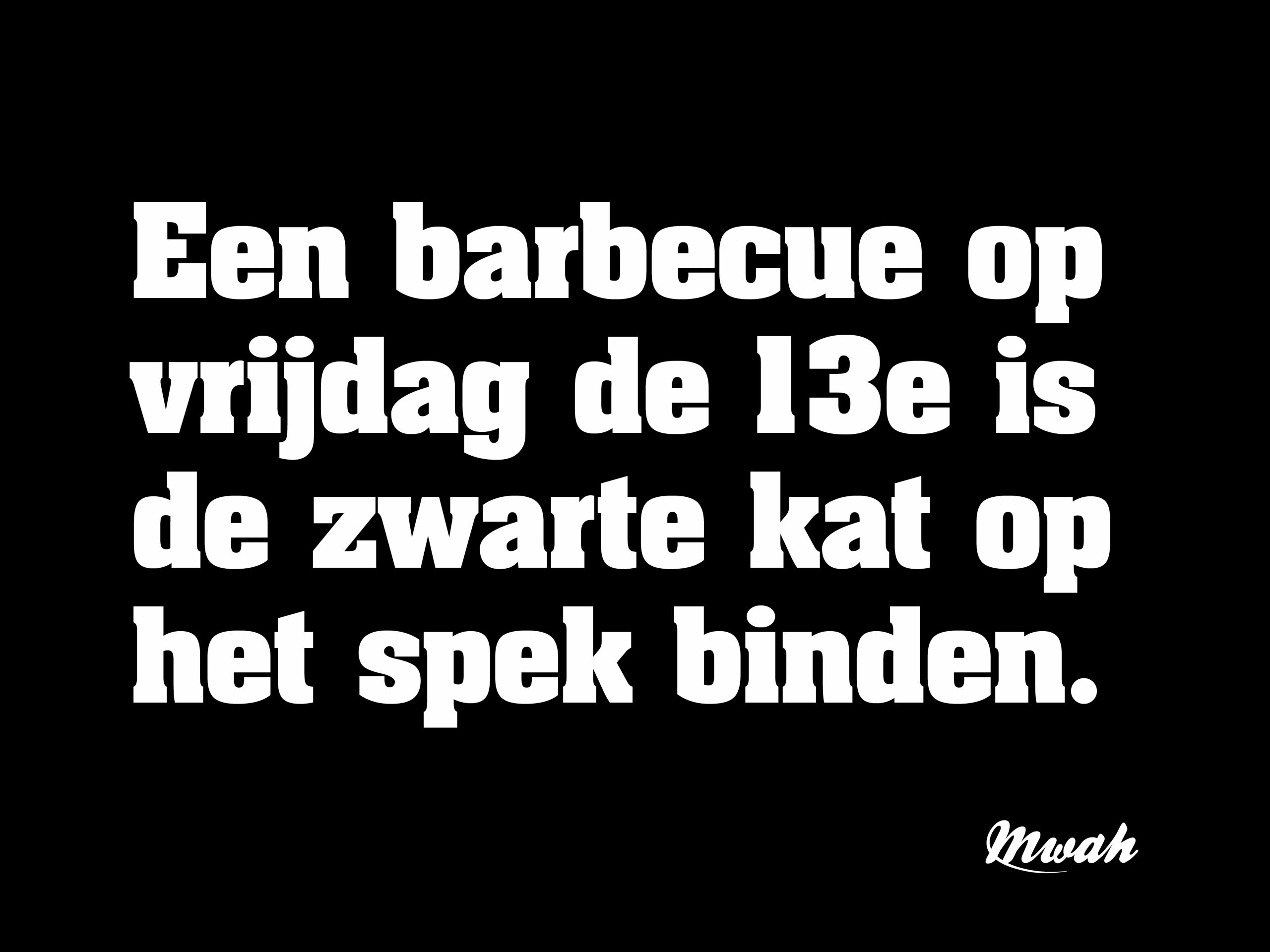
Kat Op Het Spek Binden

Alright, picture this: I'm at my favourite little café, sipping a much-needed koffie verkeerd, and my friend Jan walks in, looking absolutely perplexed. "I just saw Mrs. De Vries trying to...tie a cat...to bacon?" he stammers. Of course, my first reaction was to nearly choke on my coffee. After I managed to regain my composure, I realized he must be talking about the Dutch idiom, "iemand een kat op het spek binden." It's not actually about feline-bacon bondage, I promise!
So, What Does "Kat op het Spek Binden" Really Mean?
Basically, it means to saddle someone with unwanted expenses or responsibilities. Imagine someone sneaky leaving their cat, Mittens, who eats gourmet salmon twice a day and sheds like a blizzard, on your doorstep, along with a note saying, "Good luck! She's yours now!" That, my friends, is exactly what "een kat op het spek binden" feels like. It's a sneaky, unwelcome, and often expensive burden. Think of it as the Dutch equivalent of "passing the buck," but with a much more colourful, and potentially hairy, visual.
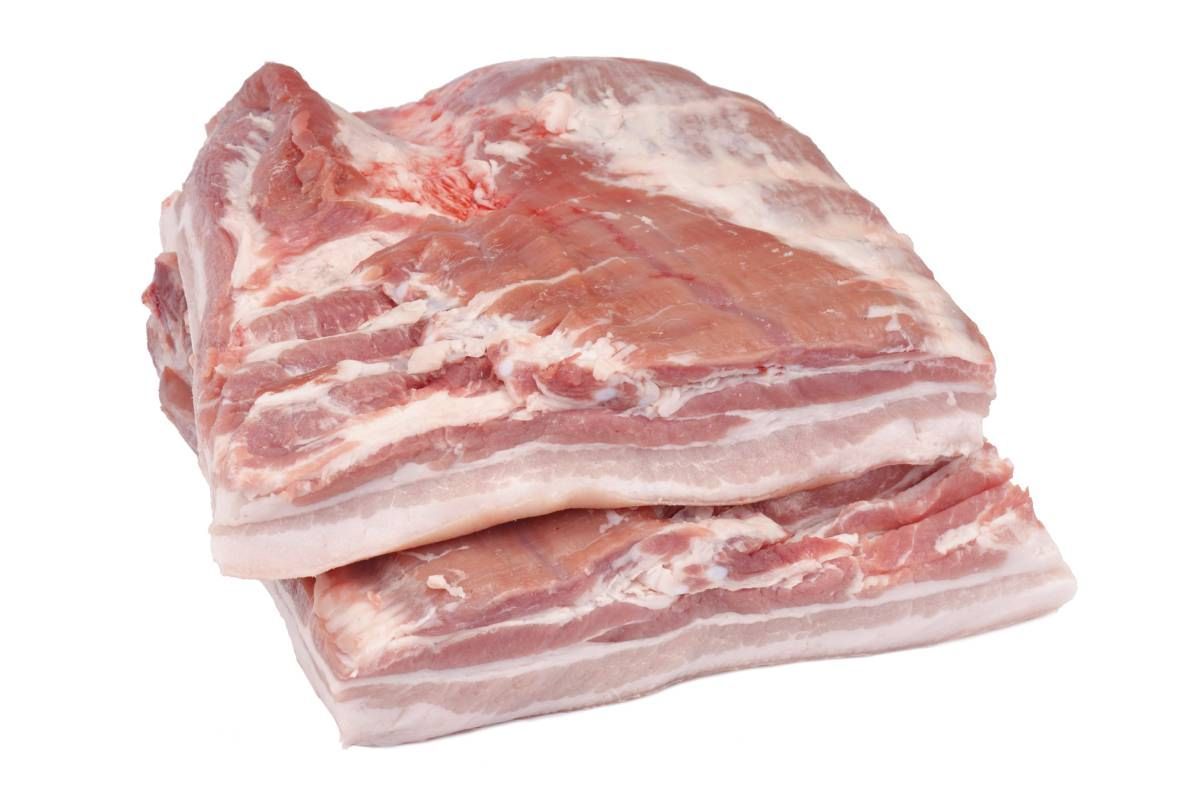
The bacon (spek) part is important! Spek, especially in the old days, was valuable. So you’re not just saddling someone with a cat, you're saddling them with a valuable food source for the cat, making the burden double the trouble. Imagine having to feed Mittens and supply her with premium bacon every day! Your wallet would weep.
Must Read
Where Did This Crazy Idiom Come From Anyway?
Ah, the history! As with many idioms, the exact origins are a little murky, shrouded in the mists of Dutch folklore (and probably a good dose of good old-fashioned complaining). The prevailing theory revolves around scheming neighbors. Back in the day, bacon was a valuable commodity. If you wanted to mess with someone, you could leave a cat near their bacon supply. The cat would, naturally, try to eat the bacon, causing damage and potentially getting the neighbor blamed for the whole mess. Think of it as the 17th-century equivalent of a viral TikTok prank gone horribly wrong. Or maybe not so wrong, if you were the prankster.
Another theory suggests it was about getting rid of a pesky cat. Desperate owners would try to trick someone else into taking care of their feline friend, perhaps by leaving it near a tempting piece of bacon on their doorstep. Resourceful, if somewhat underhanded, don't you think?

Examples in Real Life: When Do We Use This Hilarious Phrase?
You'd be surprised how often this idiom comes in handy. Here are a few everyday scenarios where you might hear it:
- The Dodgy Deal: "They really tried to bind a cat to my bacon with that used car. It had more rust than metal!" (Translation: They tried to rip me off with a lemon.)
- The Office Drama: "My boss just tied a HUGE cat to my bacon by assigning me all of Peter's projects after he quit." (Translation: I'm now drowning in extra work!)
- The Family Inheritance: "My uncle left me his house...but it needs a complete renovation. He totally tied a cat to my bacon!" (Translation: I inherited a money pit.)
- The Well-Meaning but Annoying Friend: "She offered to help me move, but she brought all her cats, who then proceeded to shred my furniture. She basically tied a whole cattery to my bacon!" (Translation: I regret everything.)
See? It's incredibly versatile! You can even use it in a self-deprecating way. "I accidentally volunteered to bake 100 cookies for the school bake sale. I really tied a cat to my own bacon!" (Translation: I'm an idiot.)
Why is this idiom so great? Let's count the reasons:
- It's Visual: The image of a cat and bacon is just inherently funny. It sticks in your mind.
- It's Exaggerated: It perfectly captures the feeling of being unfairly burdened with something you don't want.
- It's Culturally Rich: It offers a glimpse into Dutch history and social dynamics.
- It's Just Plain Fun to Say: Try it! "Iemand een kat op het spek binden!" It rolls off the tongue beautifully.
Beyond the Cat and Bacon: Other Related Idioms
The Dutch language is a treasure trove of colorful idioms. If you like "een kat op het spek binden," you might also enjoy these:
- Een appeltje voor de dorst bewaren (To save an apple for thirst): Meaning to save something for a rainy day. Less chaotic than the cat-bacon scenario, but still practical.
- De kat uit de boom kijken (To watch the cat out of the tree): Meaning to wait and see how things develop before taking action. More cats! Less bacon, though.
- Ergens met de pet naar gooien (To throw your hat at something): Meaning to do something sloppily or carelessly. Imagine someone so fed up with having a cat tied to their bacon that they just throw their hat at it in frustration.
Final Thoughts: Don't Tie Cats to Bacon (Literally or Figuratively)
So, next time you're feeling burdened with unwanted responsibilities, remember the poor soul with the cat and the bacon. It might not make your situation any better, but at least you'll have a funny image to conjure up. And please, for the love of all that is good and holy, do not actually tie a cat to bacon. It's cruel, unnecessary, and probably illegal. Just stick to using the idiom in conversation. And maybe offer your overburdened friend a koffie verkeerd. They'll appreciate it.
Now, if you'll excuse me, I think I'll go check on my own bacon supply, just in case. You never know when someone might try to bind a cat to it!


:quality(50)/cdn-kiosk-api.telegraaf.nl/cab0c31c-df2d-11eb-8077-0255c322e81b.jpg)