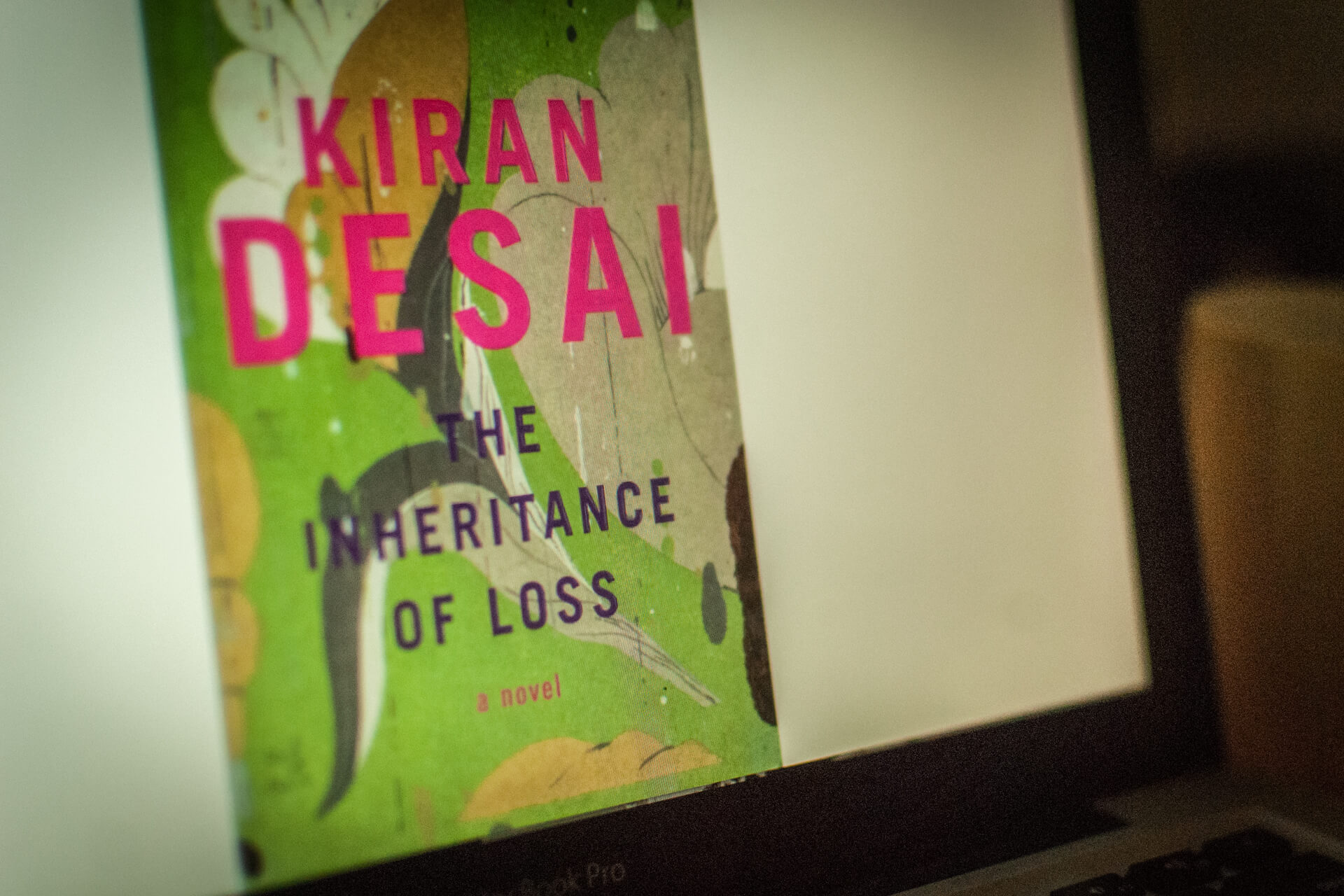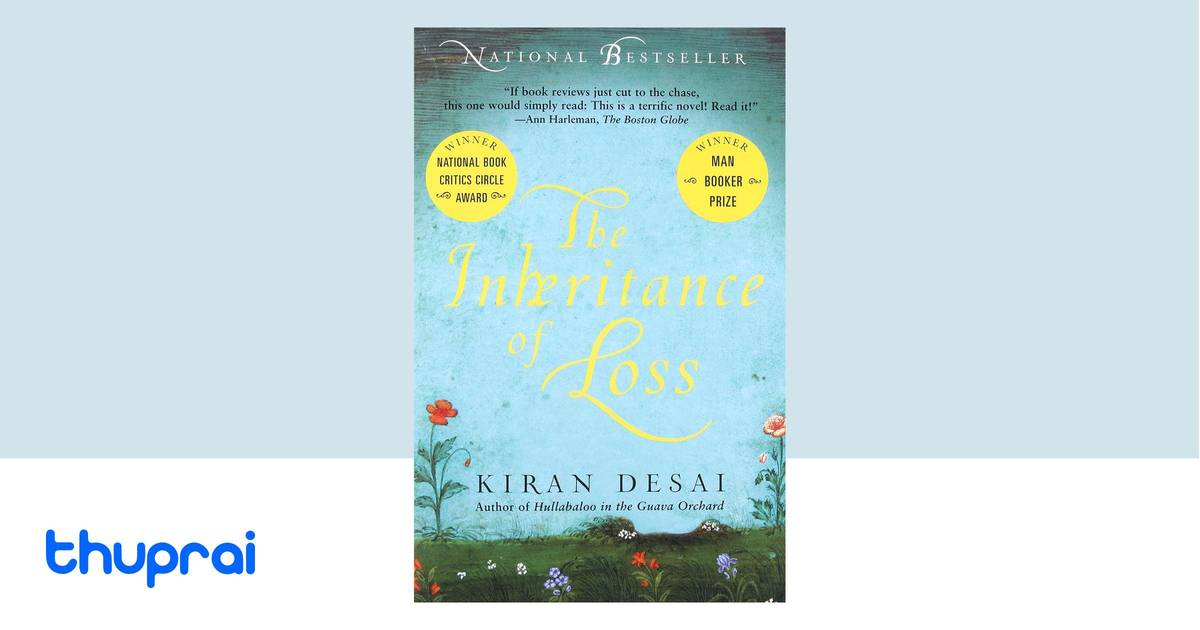
Kiran Desai The Inheritance Of Loss
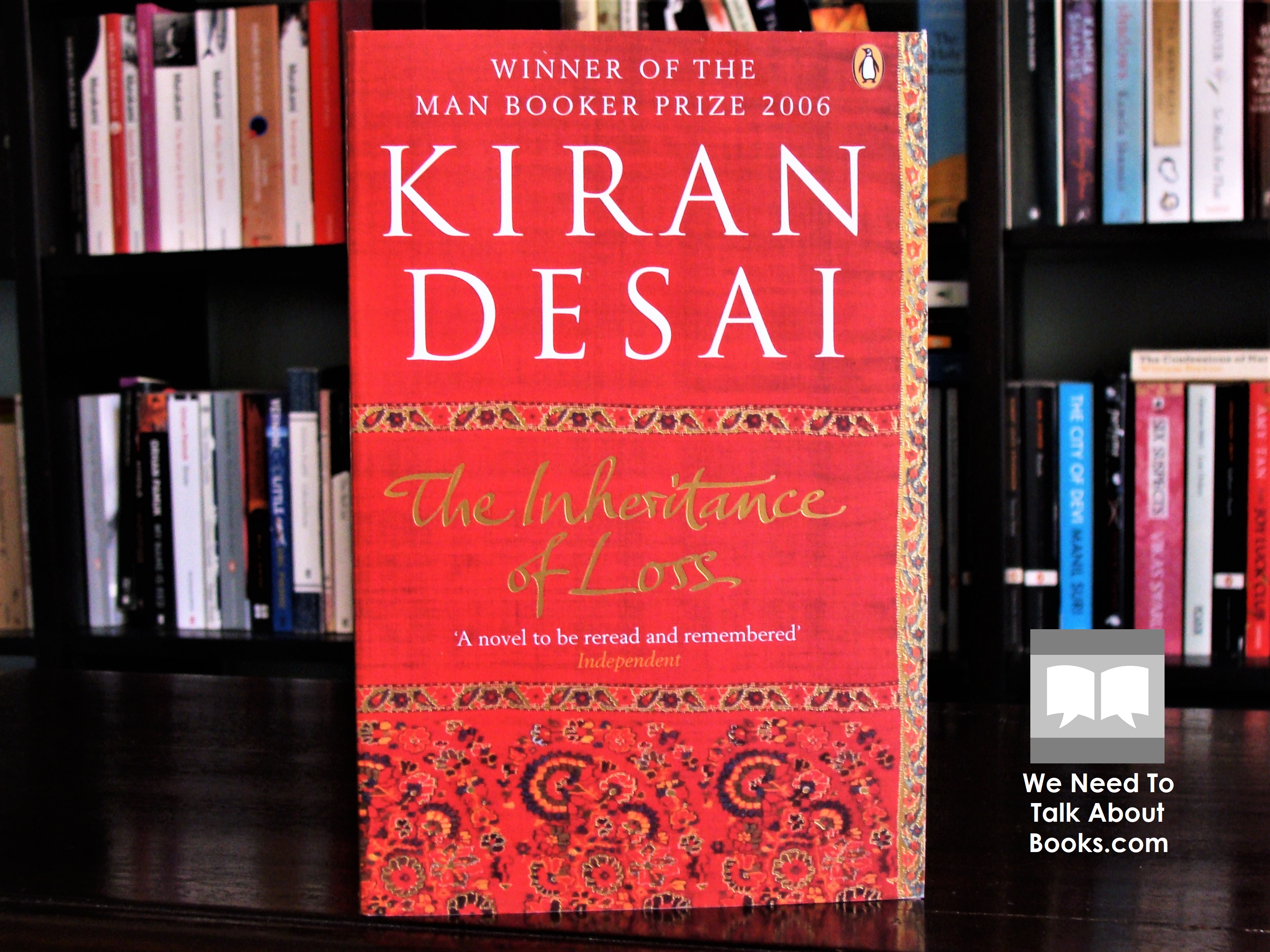
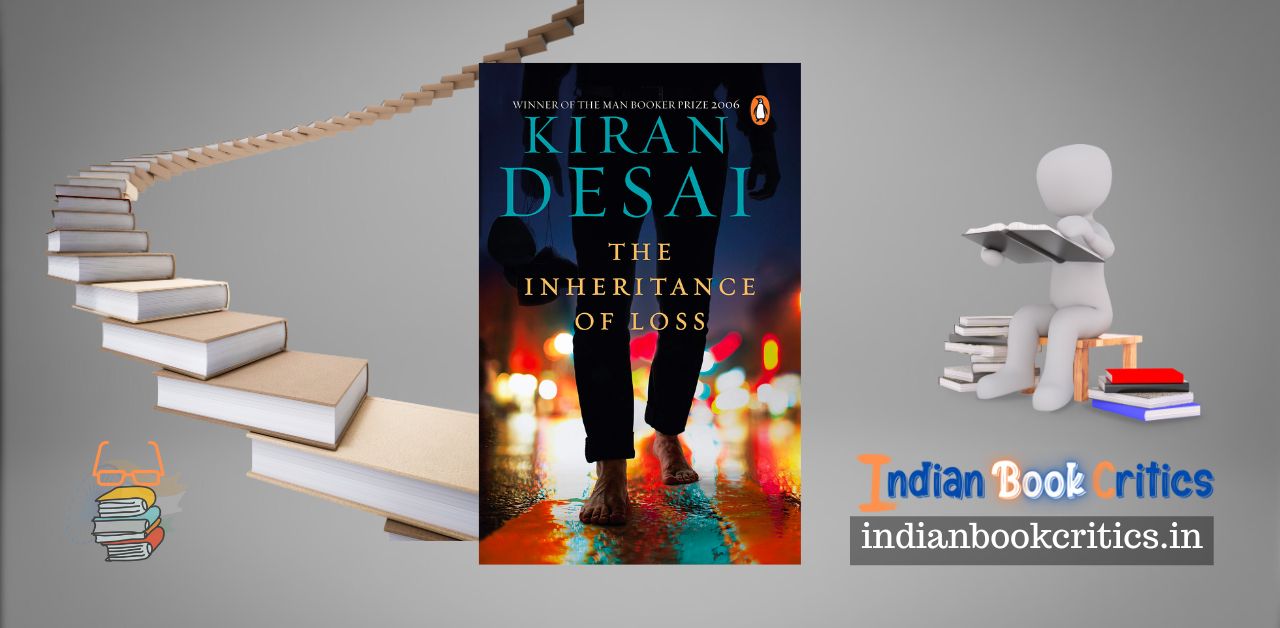
Alright, picture this: I'm at my favourite café, latte in hand, and someone asks, "So, what's a good book that'll make me think, maybe cry a little, and possibly question my life choices?" My immediate response? The Inheritance of Loss by Kiran Desai. But explaining it isn't exactly a walk in the park, so buckle up, because this is gonna be a wild ride.
Imagine a grumpy, retired judge. No, not the fun, TV kind. Think more like a perpetually raincloud-over-his-head type. That's Jemubhai Patel, our man in Kalimpong, India. He lives in a dilapidated mansion with his orphaned granddaughter, Sai. Now, Sai's just trying to navigate teenage life, which involves a cute Nepali tutor named Gyan and the general chaos of figuring out who she is. But, oh no, a Gorkha insurgency is brewing in the hills, threatening to turn their already messy lives upside down. And that’s just the tip of the literary iceberg.
Judge Jemubhai: From Cambridge Dreams to Curry Nightmares
Jemubhai, oh Jemubhai. He's a character you love to hate. He's spent his life chasing a British ideal that never truly accepted him. You see, he went to Cambridge, donned tweed, and tried to speak with a plum in his mouth, all in a desperate attempt to be…well, British. Think of it as the ultimate identity crisis, spiced with a dash of post-colonial angst. He basically sold his soul for a crumpet, and it didn’t even taste that good.
Must Read
His experiences in England were, let’s just say, less than ideal. He faced racism, loneliness, and the crushing realization that he could never truly belong. Imagine trying to fit a square samosa into a perfectly round cucumber sandwich world. Yeah, that’s Jemubhai's life in a nutshell.
Then, he comes back to India, a changed (and not necessarily improved) man. He becomes a judge, but he's haunted by his past and trapped between two worlds. He’s basically a walking, talking embodiment of post-colonial trauma, and he's taking it out on everyone around him, especially poor Sai. Can you blame her for wanting to elope with the tutor? Probably not.

A Cook Named…Cook?
Now, let's not forget the unsung hero of the story: Cook. Yes, that’s his name. Original, right? He's Jemubhai's long-suffering cook who's been with him forever. Cook is the glue that holds the household together. He's seen it all, from Jemubhai's angsty Cambridge days to his current grumpy judge era. He's the only one who seems to know how to deal with Jemubhai, mostly by ignoring him and making delicious food.
Imagine being Cook. Your job is to cook for a man who's constantly complaining about the food, longing for English delicacies he can’t get, and generally being a pain in the backside. But Cook perseveres, making curry after curry, dhal after dhal. He’s the culinary equivalent of a saint. There is a running joke that he probably dreams about escape plans with mangoes.
Sai and Gyan: A Forbidden Love in the Himalayas
Sai and Gyan. Ah, young love! They're the Romeo and Juliet of Kalimpong, minus the whole dying thing (mostly). Sai is a sweet, innocent girl trying to find her place in the world. Gyan is a bright, idealistic young man caught up in the Gorkha insurgency.

Their love story is complicated by the socio-political turmoil surrounding them. Gyan's involvement in the insurgency puts him at odds with Sai's privileged background. It’s basically a clash of classes and ideologies, played out against the backdrop of breathtaking Himalayan scenery. Talk about pressure!
Think of it like this: their romance is a metaphor for the larger conflicts in India. The old versus the new, tradition versus progress, the haves versus the have-nots. And all they want is to hold hands and watch the sunset (and maybe share a plate of momos, because, Himalayas!). It's heartbreaking, really.

- Sai's Innocence: She just wants a normal life, but life in India is anything but normal.
- Gyan's Idealism: He believes in fighting for a better future, even if it means risking everything.
- Their Love: A fragile bond tested by the forces of history.
The Inheritance of…What, Exactly?
So, what's this "inheritance of loss" all about? It's not just about money or property. It's about the things we inherit from our past – the trauma, the prejudice, the unfulfilled dreams. It's about the weight of history and how it shapes our present.
Jemubhai inherits the loss of his identity and his dreams of belonging. Sai inherits the loss of her parents and the burden of her grandfather's bitterness. Gyan inherits the loss of opportunities and the frustration of inequality. Everyone in this book is carrying some kind of baggage. It’s like they all showed up at the airport and were forced to check in their emotional wellbeing.
The book explores how these losses affect their lives and how they try to cope with them. Some, like Jemubhai, become bitter and withdrawn. Others, like Sai and Gyan, try to find hope and meaning in the midst of chaos. It's a story about survival, resilience, and the enduring power of the human spirit, even when things look bleak. (And believe me, things get pretty bleak.)
Why Should You Bother Reading It?
Okay, so it sounds depressing, right? But trust me, The Inheritance of Loss is also incredibly beautiful and moving. Desai's writing is lyrical and evocative, bringing the Himalayas to life in vivid detail. The characters are complex and flawed, but you can’t help but feel for them. And, despite the heavy themes, there's plenty of humor sprinkled throughout. Think of it as a bittersweet masala chai – a little spicy, a little sweet, and definitely worth savouring.
- Beautiful Writing: Desai is a master of language.
- Complex Characters: You'll connect with them, even the grumpy ones.
- Thought-Provoking Themes: It'll make you think about identity, history, and the human condition.
- Surprisingly Funny: Laughter is the best medicine, even in the Himalayas.
Seriously, give it a read. You might just find yourself laughing, crying, and questioning your own inheritance of loss. And hey, if you need someone to discuss it with over a latte, you know where to find me. Just maybe bring some tissues…and definitely some momos.
So, there you have it. The Inheritance of Loss – a tale of grumpy judges, rebellious tutors, and a cook who deserves a medal. It’s a book that stays with you long after you finish reading it. Now, if you’ll excuse me, I need to go find a good samosa.



![10 Best Selling Novels in India [You Should Read in 2025]](https://businesstalkmagazine.com/wp-content/uploads/2022/05/The-Inheritance-of-Loss-by-Kiran-Desai.jpg)