Martin Luther King Jr I Have Dream
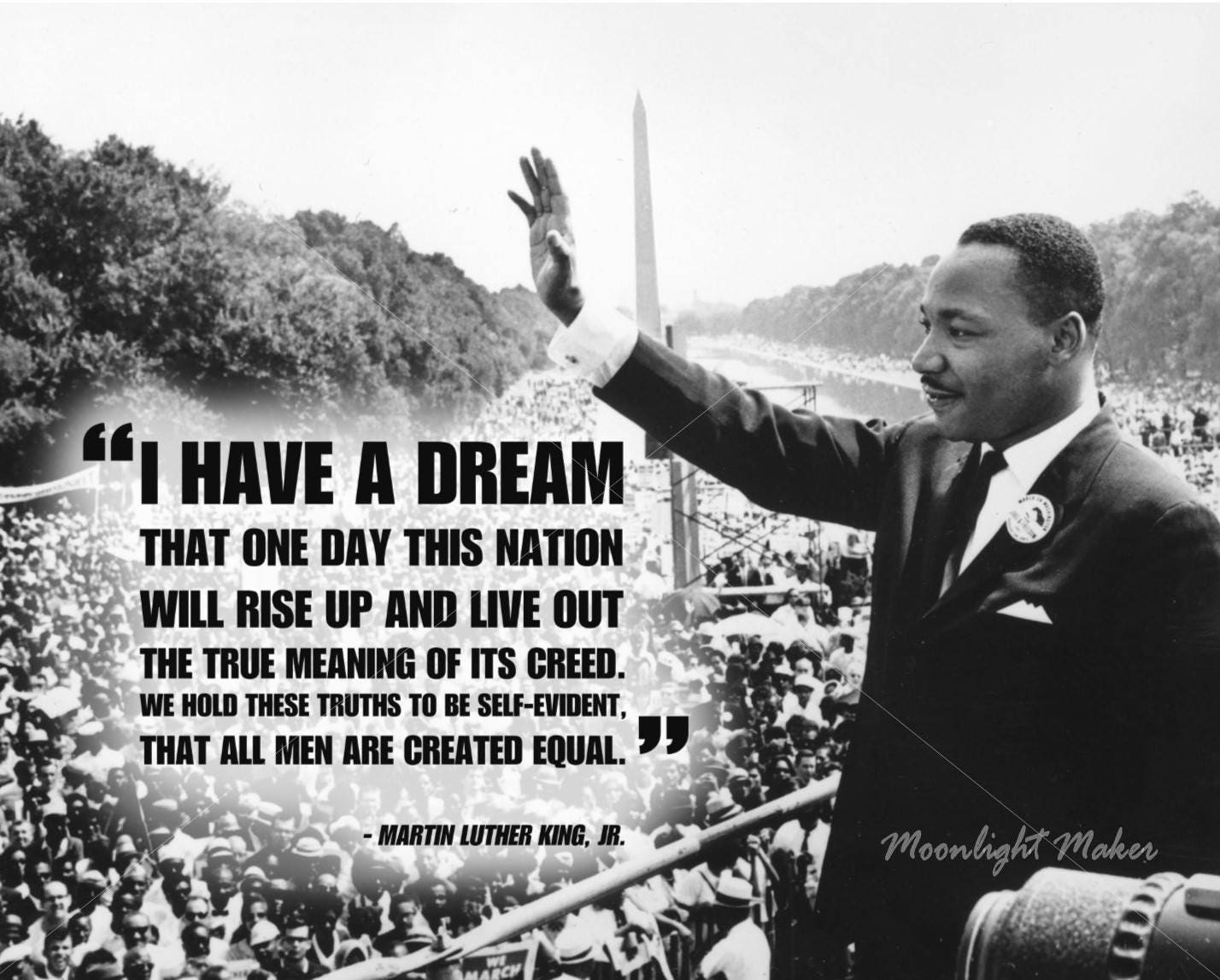
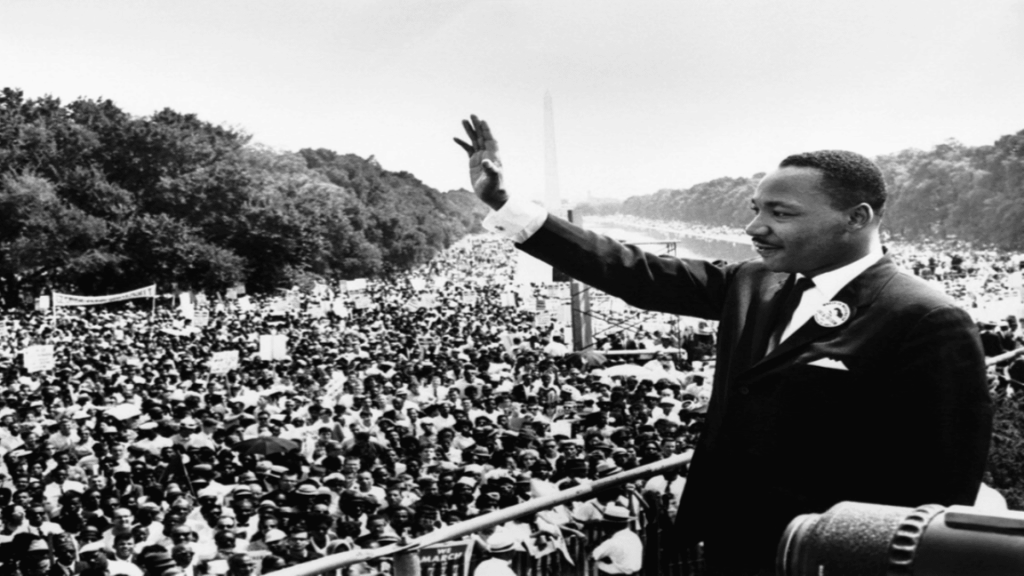
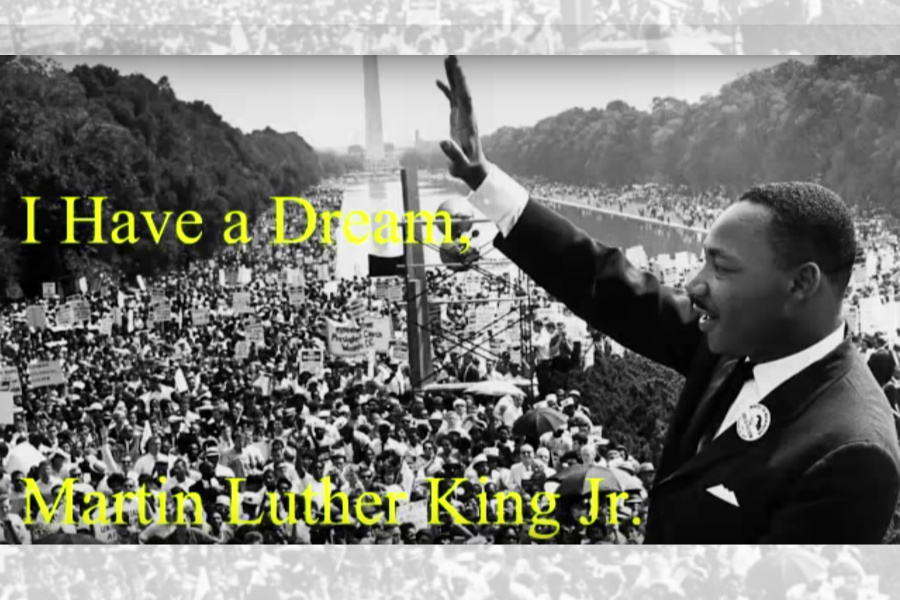
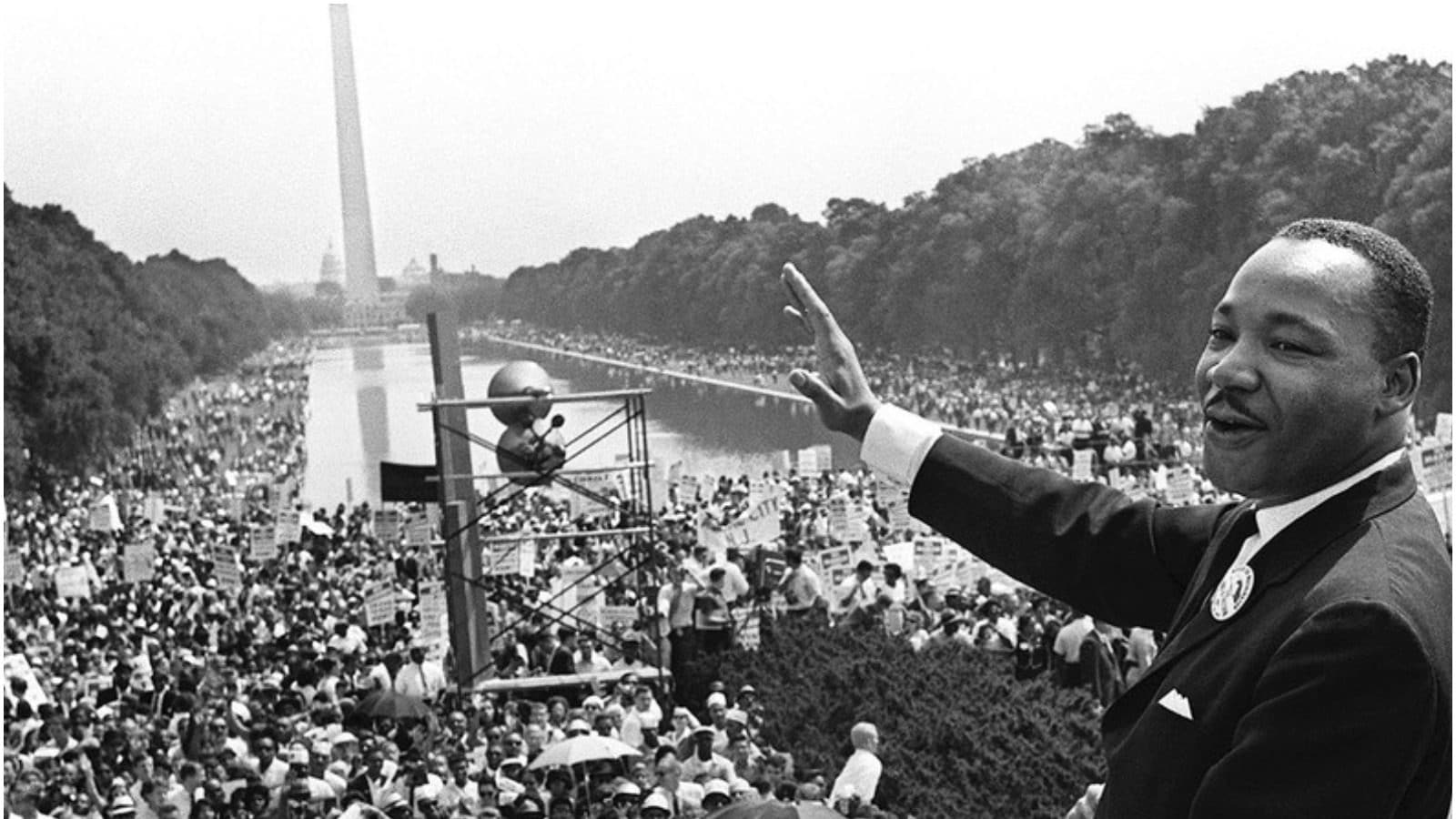
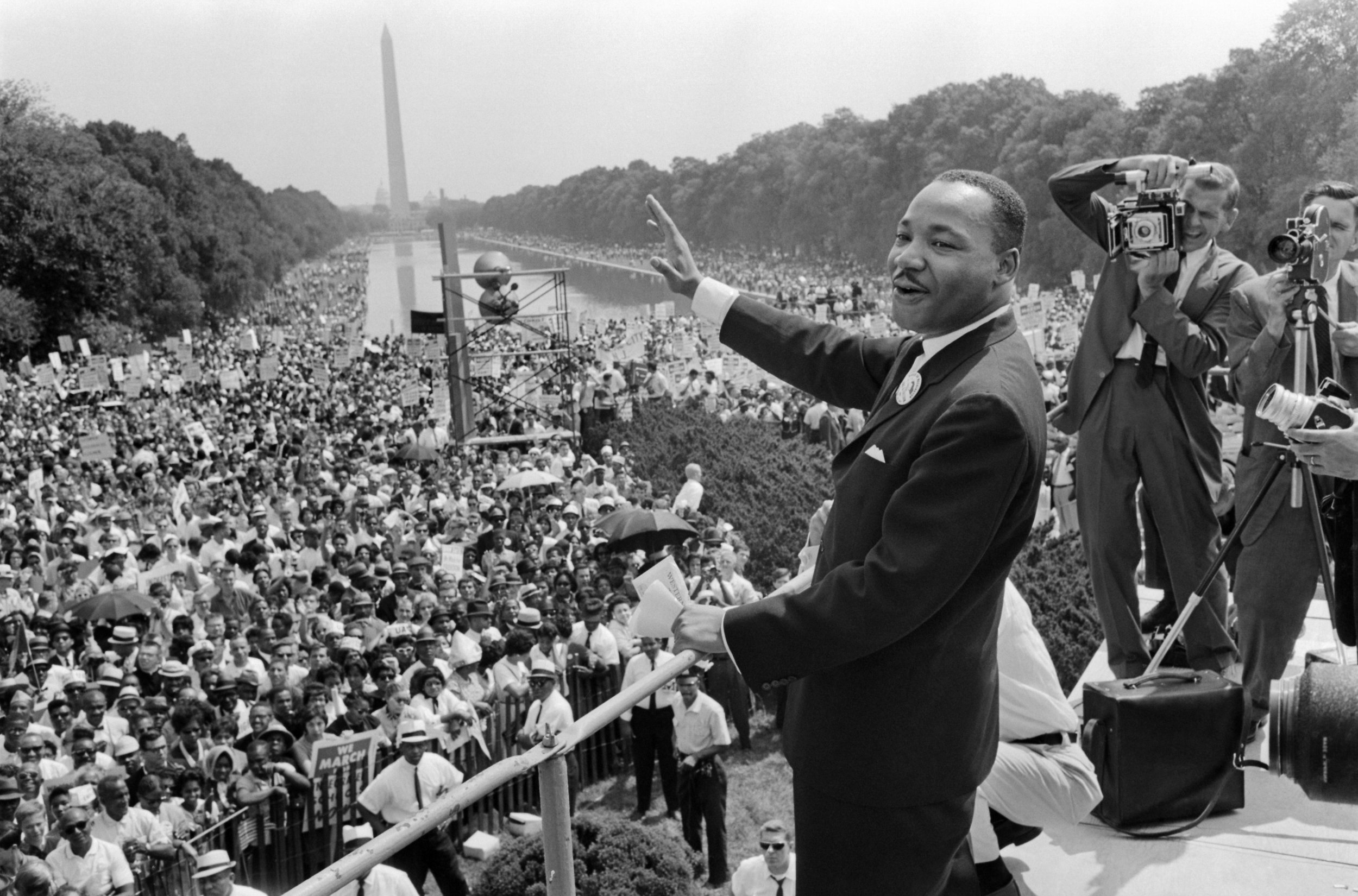
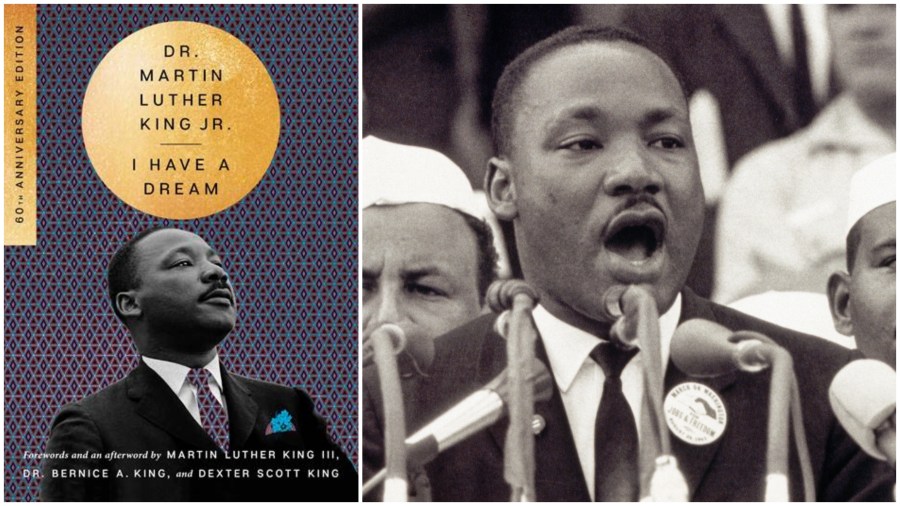
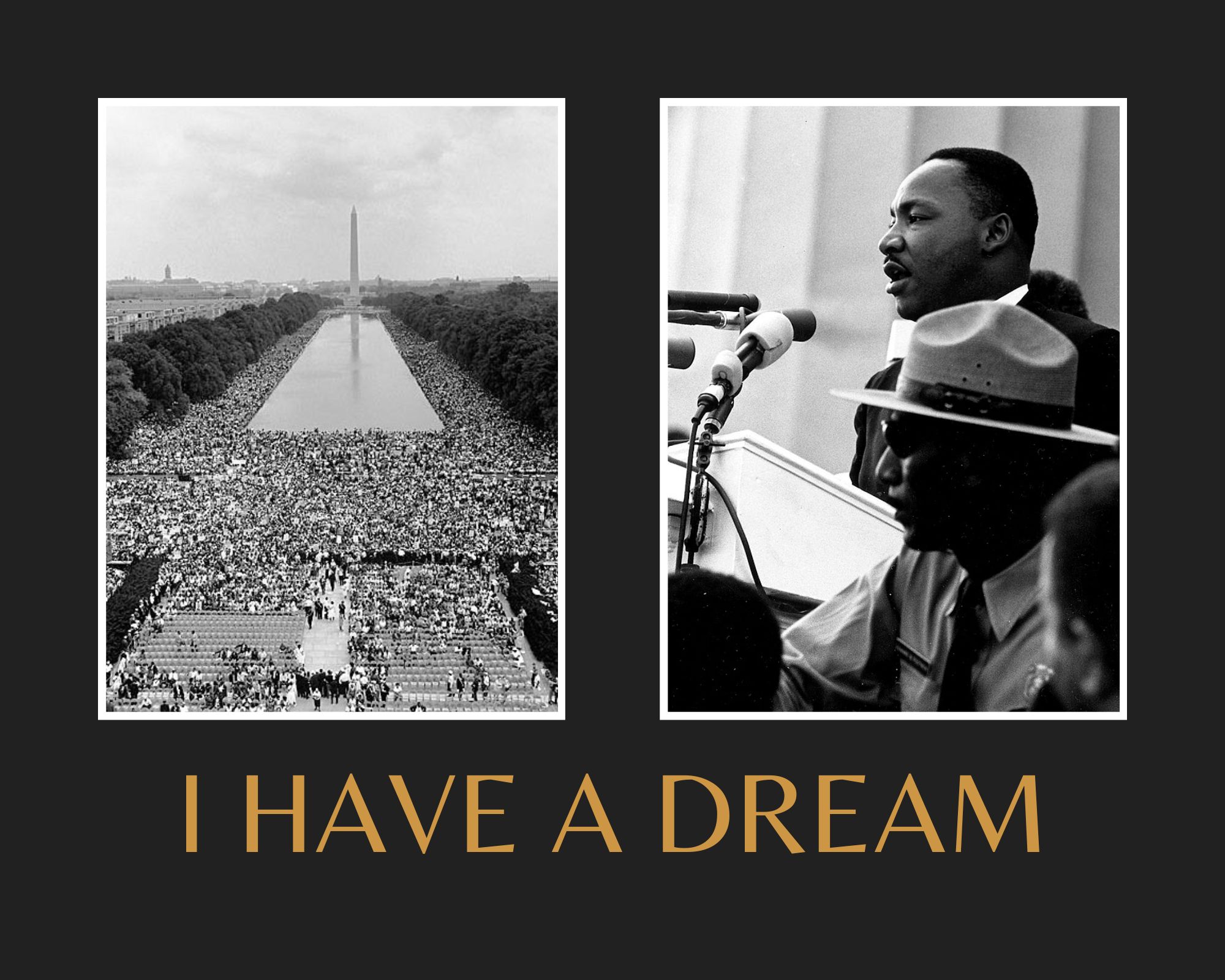
Yo, let me tell you a story. Grab your metaphorical cappuccino (or maybe a stroopwafel, since we're doing this in Dutch spirit!), because we're about to talk about a speech. Not just any speech, mind you. We're talking about the speech. Martin Luther King Jr.'s "I Have a Dream" speech. Imagine, it was a hot August day in 1963, Washington D.C. was buzzing (probably with cicadas, knowing D.C.), and there's this guy, MLK, standing in front of like, a zillion people. Okay, maybe not literally a zillion. More like 250,000. But still, that's a lot of folks! And he's about to drop some serious wisdom bombs.
The Scene is Set: March on Washington (and My Bad Knee!)
So, picture this: It's the March on Washington for Jobs and Freedom. Sounds important, right? It was! This wasn't just a casual stroll; people were marching for equal rights, baby! They were tired of the Jim Crow laws, tired of being treated like second-class citizens, and basically just tired of all the nonsense. Imagine walking for that long! I'd need, like, three ibuprofen and a really good foot massage. My knee just starts throbbing thinking about it.
Anyway, the march was organized by a bunch of civil rights groups. A. Philip Randolph, a real OG in the civil rights game, had been trying to organize something like this since, like, World War II! Talk about dedication. It was a massive undertaking. Getting 250,000 people to agree on anything is a miracle, let alone get them all to the same place at the same time. It’s like herding cats… but cats who are passionate about social justice. And let's be honest, even cats have more rights than some people did back then.
Must Read
The Speech: More Than Just a Dream
Now, here’s where it gets really interesting. MLK wasn't initially planning to talk about a "dream." Nope. He had a perfectly good speech prepared, all about policy and stuff. Important, for sure, but maybe a bit… dry? Imagine him starting with, "And now, let's discuss the nuanced implications of desegregation legislation…" Zzzzzz. You'd have lost half the crowd to heatstroke and boredom. He’d be lucky if people remembered their lunch.
So, he's giving this speech, it's going okay, and then gospel singer Mahalia Jackson, who was standing nearby, yells out, "Tell them about the dream, Martin! Tell them about the dream!" Now, Mahalia Jackson was a powerhouse, a legend. When Mahalia tells you to do something, you do it! It's like when your Oma tells you to eat more stamppot. You don't argue; you just eat the stamppot. And MLK, being a smart guy, listened to Mahalia.
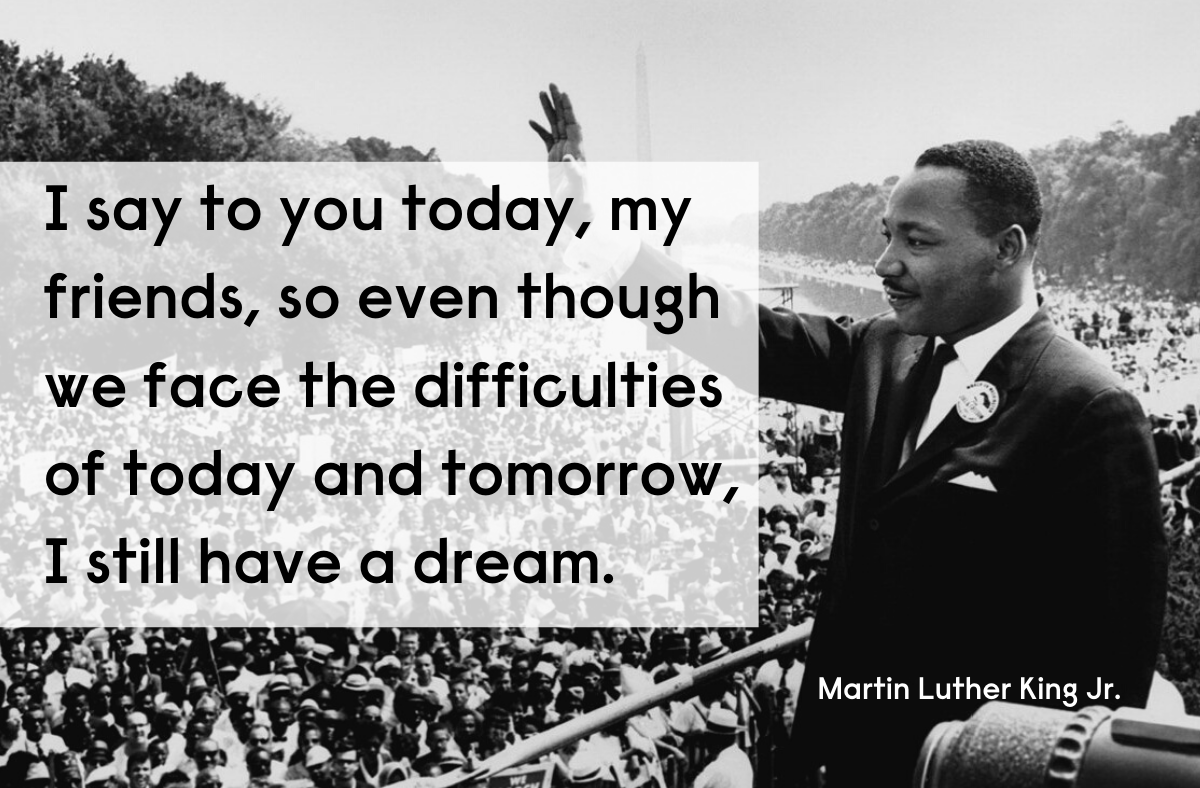
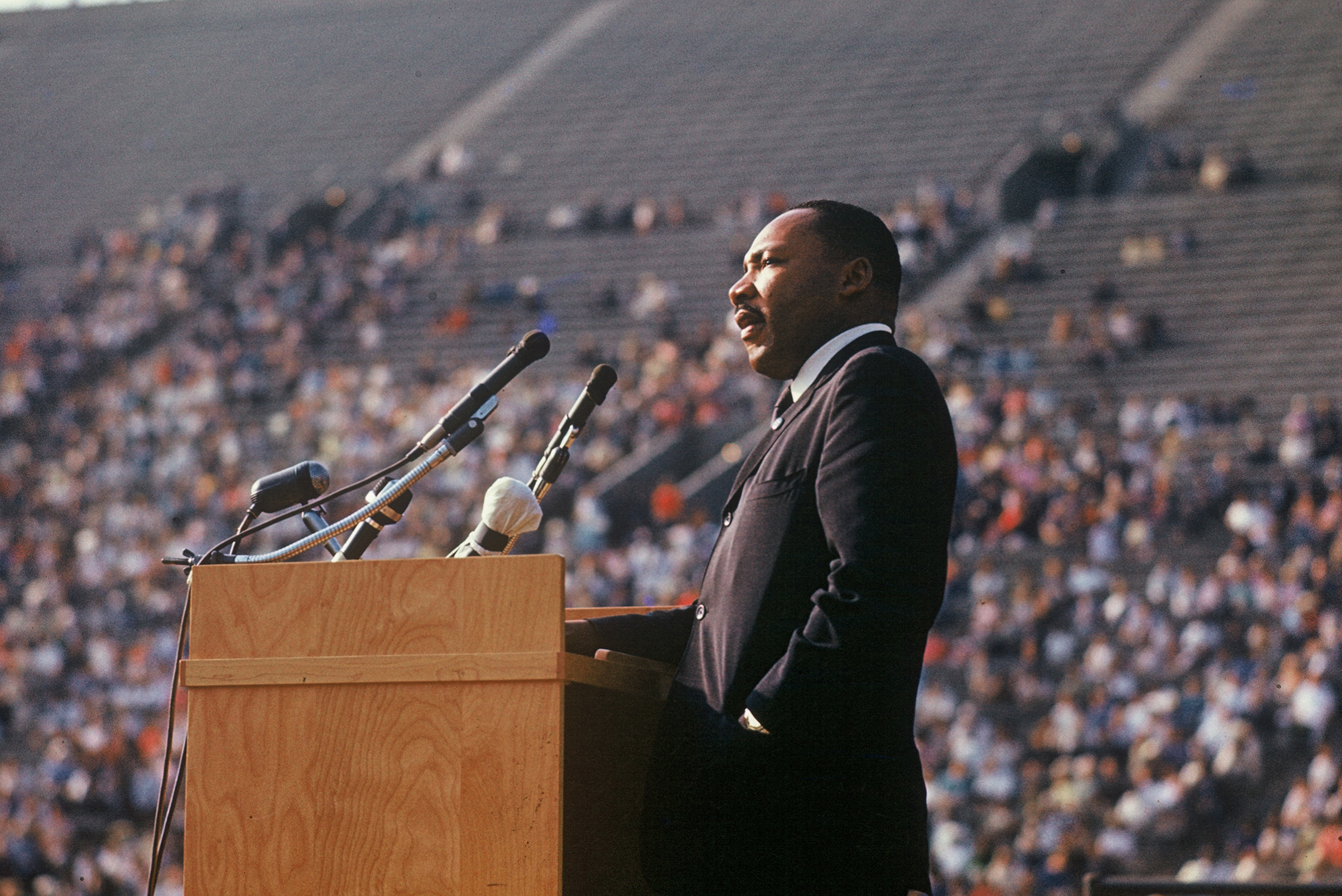
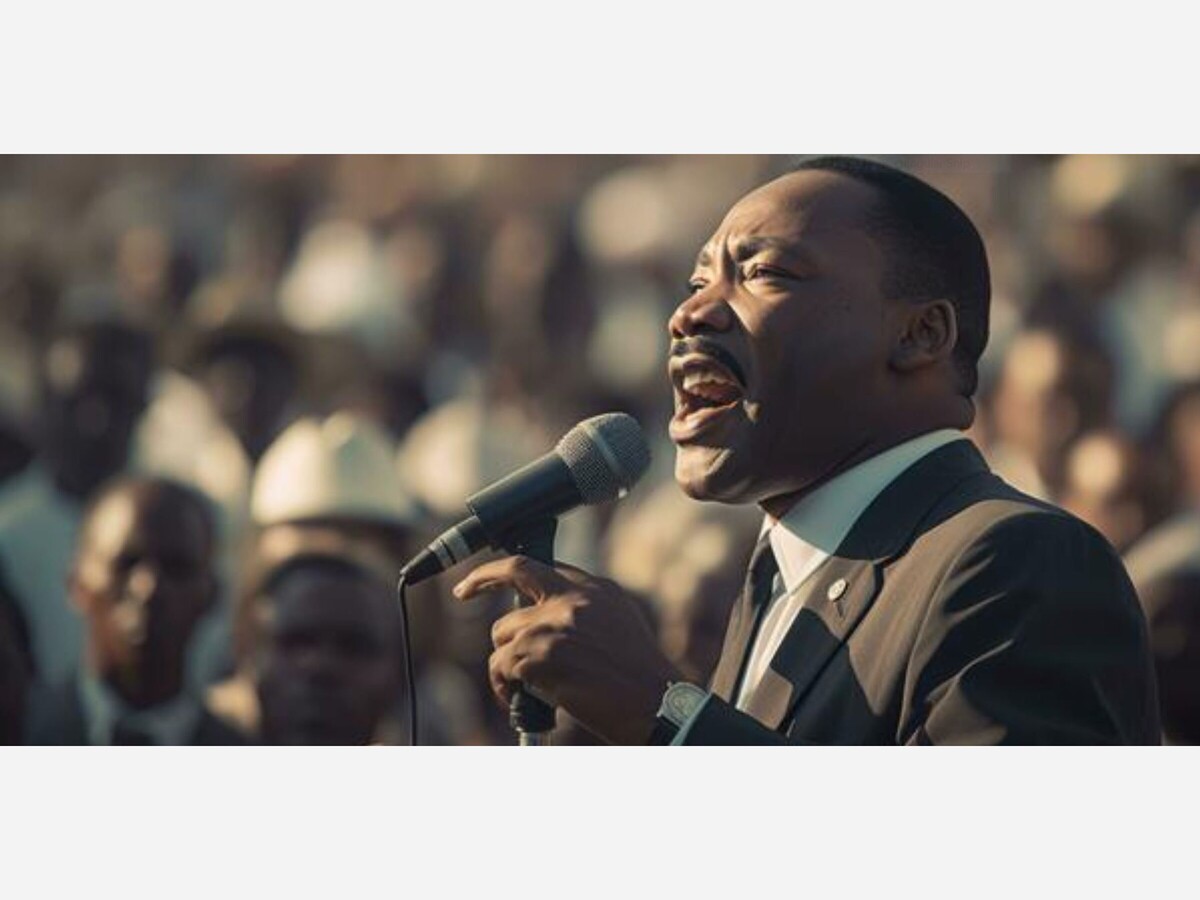
And that's when it happened. The "I Have a Dream" part just… exploded out of him. It was improvisational, man! Like a jazz solo of social justice. It was powerful, it was emotional, and it was instantly iconic. He was painting a picture, not just reciting words. He was drawing a future where his children would be judged by the content of their character, not the color of their skin. Which, you know, is kind of a no-brainer, but apparently some people needed a really good speech to understand that.
Key Moments and Phrases: Decode the Dream
Let's break down some of the most memorable lines, shall we?
- "I have a dream…" Obvious, right? But this wasn't just any dream. It was a vision of equality and justice. Think less "I dreamed I ate a giant chocolate cake," and more "I dreamed everyone is treated with dignity and respect." Big difference.
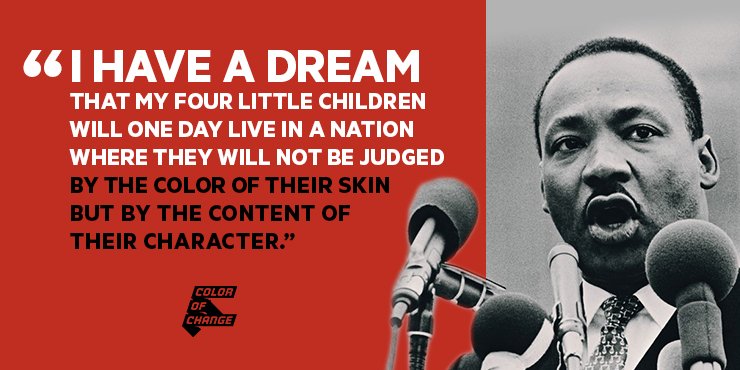
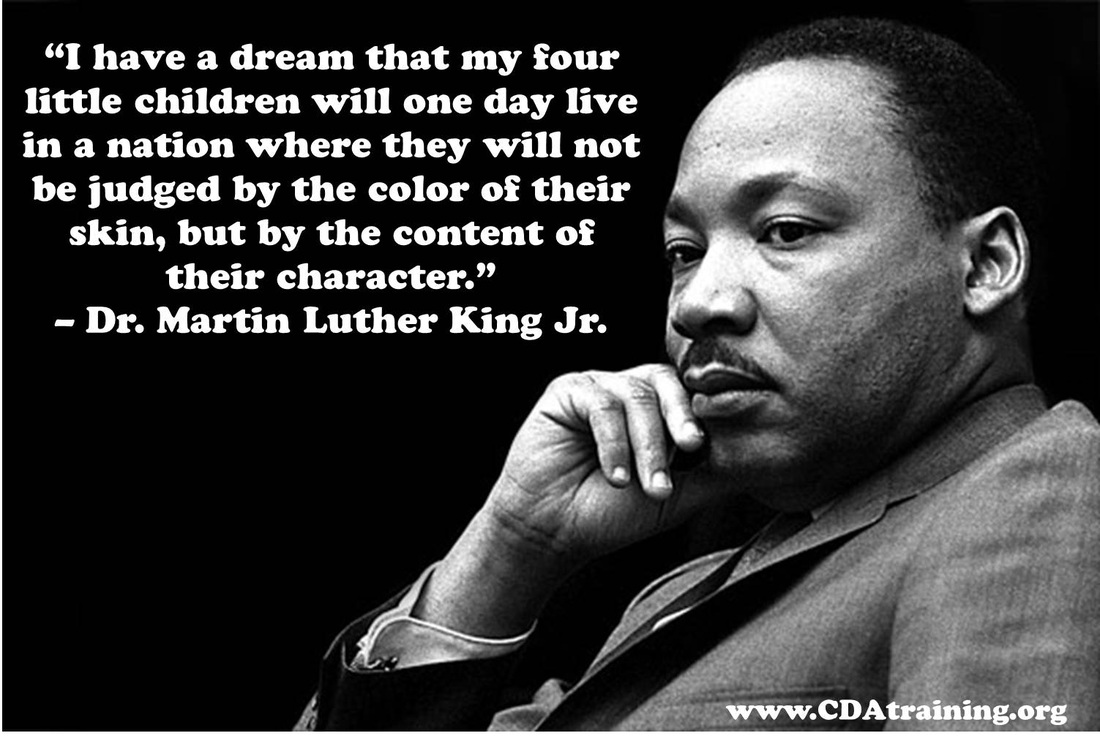
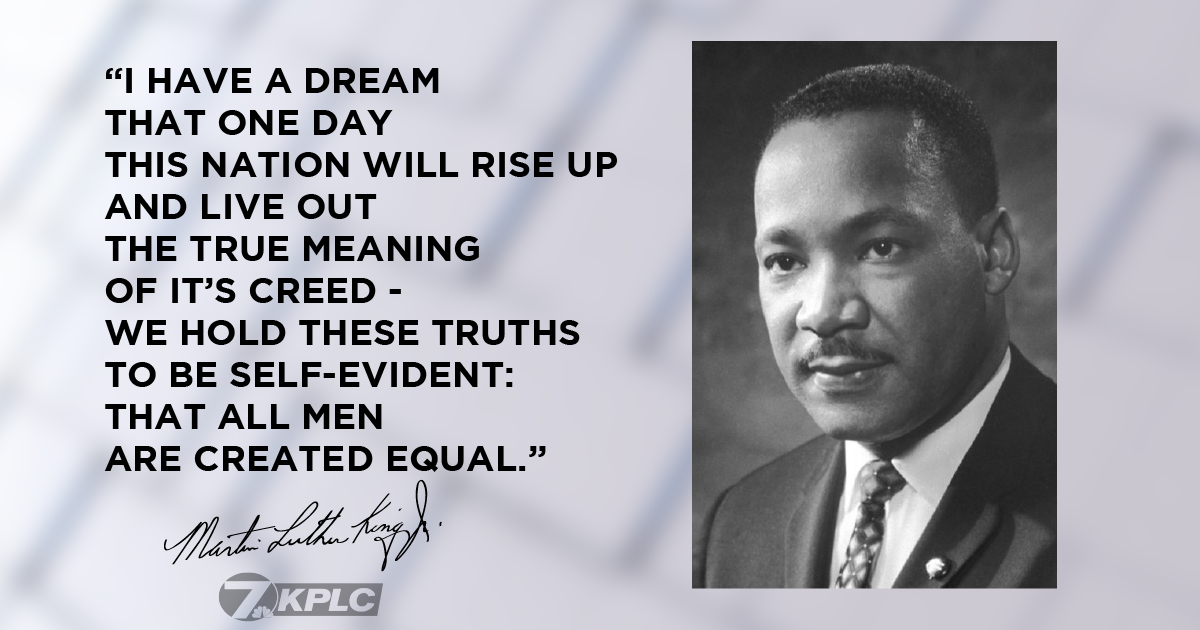
- "I have a dream that my four little children will one day live in a nation where they will not be judged by the color of their skin but by the content of their character." This is the money shot, the line everyone remembers. It's heartbreakingly simple and powerfully profound. It's basically saying, "Hey, maybe judge people on, like, who they are, not what they look like?" Revolutionary, I know.
- "Let freedom ring from Stone Mountain of Georgia." He basically goes on a geographical tour of American landmarks, demanding freedom ring out from every corner. It's like he's saying, "Freedom! Get out there and ring, darn it! Ring from the mountains, ring from the valleys, ring from my grandma's house!"
- "Free at last! Free at last! Thank God Almighty, we are free at last!" The grand finale. This is him celebrating the eventual (and hopefully inevitable) arrival of true freedom. It's a triumphant cry, a victory lap… before the actual victory was won, of course. It's like celebrating your team winning before the final whistle blows. A bit premature, but definitely enthusiastic!
The Impact: More Than Just Words
So, what happened after the speech? Did everyone suddenly hold hands and sing "Kumbaya"? Well, not exactly. But the speech had a massive impact. It helped galvanize the civil rights movement. It put pressure on President John F. Kennedy (and later Lyndon B. Johnson) to push for civil rights legislation. It made people think. It made people question. It made people, dare I say, wake up!

The Civil Rights Act of 1964, which outlawed discrimination based on race, color, religion, sex, or national origin, was a direct result of the civil rights movement's momentum, and MLK's speech played a huge part in building that momentum. The Voting Rights Act of 1965, which prohibited racial discrimination in voting, was another huge win. Did it solve everything? Nope. Racism still exists, sadly. But it was a huge step in the right direction. It was like finally getting your driver's license after years of nagging your parents. You still have to drive carefully, but you finally have the freedom to go where you want (legally, of course!).
It’s also worth noting that, despite being one of the most famous speeches in history, the “I Have a Dream” speech wasn’t universally loved at the time. Some people criticized it for being too radical, others for not being radical enough! You can’t please everyone, can you? Especially not when you’re challenging the deeply ingrained prejudices of an entire society.
Fun Facts and Quirky Details
Okay, time for some fun facts to impress your friends at your next borrel:
- MLK was only 34 years old when he gave the "I Have a Dream" speech. Can you imagine being that eloquent and impactful at 34? I was probably just figuring out how to properly use a washing machine at that age.
- The speech is only about 17 minutes long. That's shorter than some TikTok videos! But way more impactful.
- The original manuscript of the speech is lost. Gasp! Historians have pieced it together from recordings and notes. It’s like trying to reconstruct a delicious apple pie recipe from memory after Oma passed away – you get the gist, but something’s always missing.
- MLK won the Nobel Peace Prize in 1964. He was the youngest man to ever receive the award at the time. Pretty impressive, right?
The Legacy: Still Dreaming Today
So, there you have it. The "I Have a Dream" speech in a nutshell (or perhaps a stroopwafel sandwich?). It's a speech that continues to inspire people around the world to fight for justice and equality. It's a reminder that even in the face of adversity, we can dare to dream of a better future.
It’s also a reminder that while we’ve come a long way, we still have a long way to go. MLK's dream hasn't been fully realized. We still see inequality, we still see injustice, and we still see people being judged by the color of their skin instead of the content of their character. But MLK’s speech provides a roadmap, a vision, and a powerful reminder that we can, and must, keep striving for that dream. So, next time you feel like giving up, remember MLK, remember Mahalia, and remember that even the smallest voice can make a big difference. Now go out there and change the world, one stroopwafel-fueled step at a time!