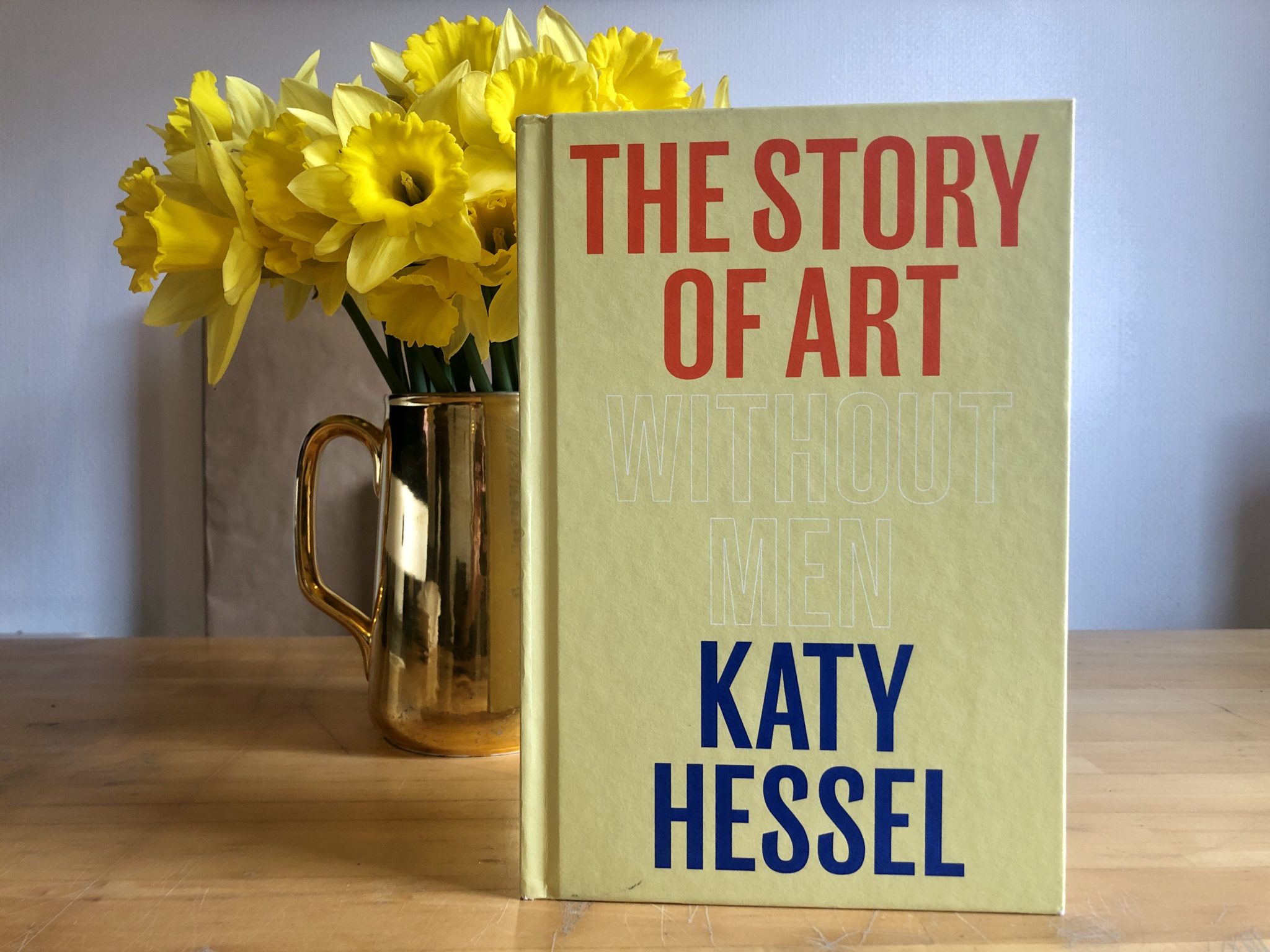
The Story Of Art Without Man
Okay, picture this: you're in a museum, right? Surrounded by portraits of grumpy-looking dukes, landscapes so boring they could cure insomnia, and enough depictions of fruit to make you swear off produce forever. What if I told you there's a whole other universe of art out there, a parallel dimension where humans never picked up a paintbrush (or chisel, or whatever artists use)? A world, dare I say, of Art Without Man? Stick with me, this gets wild.
The Prehistoric Picasso's (Who Aren't Human)
First things first, let's acknowledge the elephant... or rather, the bowerbird... in the room. Animals make art! I know, mind blown. Before you conjure images of chimpanzees wielding tiny palettes, understand that "art" here isn't necessarily about recreating reality. It's about aesthetics, display, and good old-fashioned showing off.
Consider the bowerbird. These little feathered Casanovas construct elaborate nests (bowers, naturally) decorated with shiny objects. We're talking bottle caps, colorful berries, even discarded human trash. They meticulously arrange these treasures, creating visual spectacles designed to attract mates. Imagine stumbling upon a bowerbird's love shack: "Honey, I know it's landfill chic, but the natural lighting is amazing." Is it art? I'd argue that any construction requiring that much planning and obsessive-compulsive tendencies deserves a spot in the MoMA.
Must Read
And then there are the pufferfish. Male pufferfish create enormous, geometrically precise sand circles on the ocean floor. These aren't just random patterns; they're intricate nests, designed to impress potential partners. Each ridge, each groove, perfectly calculated. That's some serious underwater abstract expressionism! Talk about going the extra mile (or should I say, nautical mile?) for love.
Fun Fact: We actually see examples of art outside of our human experience almost daily! Have you ever noticed a spider web covered in dew drops? That's art, baby! Pure, glistening, dewy art created by an eight-legged architect. So next time you absentmindedly destroy a spiderweb with your face, remember, you're crushing someone's masterpiece!
The Rise of the Fungal Form
Okay, so birds and fish are dabbling in design. What about the truly weird stuff? Let's talk about fungi. Yes, mushrooms. They might not be painting landscapes, but their structures, their colors, their sheer otherworldly forms? That's artistry right there.
Imagine a world where fungi are the dominant artistic force. Forget the Renaissance; we're in the Mycelium Age! Towering fungal structures replace cathedrals, glowing bioluminescent mushrooms light up the night sky, and intricate patterns of mycelium create sprawling underground mosaics. It would be like living inside a psychedelic dream designed by a particularly enthusiastic botanist.
Think about the sheer variety of fungal forms. From the delicate, lace-like structures of the Clathrus archeri (aka the Devil's Fingers) to the vibrant colors of the Amanita muscaria (that classic red mushroom with white spots), fungi are constantly experimenting with shape, texture, and hue. Andy Warhol would be green with envy.
Fungal Fashion: A Trend That's Sprouting Up
And let's not forget the fashion! Imagine clothes made from woven mycelium, dyed with natural pigments extracted from exotic mushrooms. Sustainable, biodegradable, and utterly unique. Move over, Gucci, there's a new mushroom in town.
The Geometric Genius of the Natural World
So, we've covered the animal artisans and the fungal fanatics. Now, let's zoom out and appreciate the broader aesthetic of the natural world. Because let's be honest, Mother Nature is a total show-off.
- Crystals: Have you ever looked closely at a snowflake? Or a geode? These aren't just random formations; they're expressions of pure geometric beauty. Perfect symmetry, intricate patterns, all formed by the relentless forces of physics. Talk about structural integrity, am I right?
- Plants: From the spiral arrangement of sunflower seeds to the fractal patterns of ferns, plants are masters of mathematical art. Each leaf, each petal, perfectly placed according to a pre-ordained algorithm. It's like nature is constantly coding beautiful things!
- Landscapes: The Grand Canyon? The Northern Lights? Mount Everest? These are natural masterpieces sculpted by time, weather, and geological forces. Imagine trying to paint the Grand Canyon! You'd need a really big canvas.
Without humans to impose their own artistic vision, the natural world would simply continue to create its own breathtaking spectacles. Erosion would become sculpture, weather patterns would become performance art, and evolution would continue to churn out ever more bizarre and beautiful forms of life.
The Philosophical Question: Does Art Need an Audience?
Here's where things get a little deep. If there are no humans to appreciate the art of bowerbirds, fungi, and crystals, does it still count as art? Is art inherently tied to human perception, or can it exist independently?

Consider this: a bowerbird builds its elaborate nest, even if there are no other birds around to admire it. A crystal forms deep within the earth, unseen by human eyes. Does the lack of an audience diminish the artistic value of these creations? It's a question that philosophers have been debating for centuries, and frankly, I don't have the answer. But it's fun to think about, right?
Maybe art isn't about creating something to be admired. Maybe it's about the act of creation itself. Maybe it's about the expression of inherent beauty, regardless of whether anyone is around to witness it. Maybe the Art Without Man is simply a celebration of the creative forces that shape the universe, independent of human intervention.
The Takeaway: Appreciate the Weirdness!
So, the next time you're feeling a little jaded by the art world, remember the pufferfish, the fungi, and the crystals. Remember that there's a whole universe of non-human art out there, waiting to be discovered (or, you know, simply appreciated). Open your eyes to the beauty and weirdness of the natural world, and you might just find yourself becoming a convert to the Art Without Man movement. And if you stumble upon a particularly stylish bowerbird's nest, send me a picture, okay? I need some inspiration for my next home redecorating project!