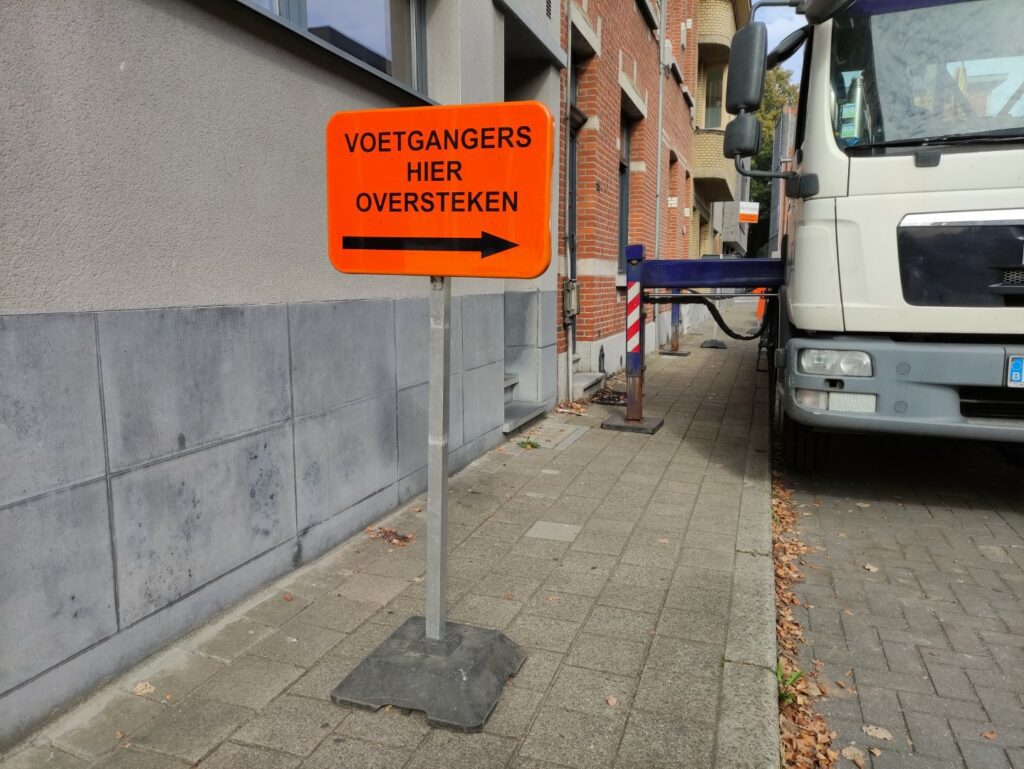
Vierkant Blauw Bord Met Pijl

Okay, okay, settle down everyone! Gather 'round, let me tell you about something utterly, fantastically, and perhaps even slightly absurdly Dutch: the Vierkant Blauw Bord Met Pijl. Yes, I know, the name itself sounds like a tongue twister designed by a caffeinated gnome. But trust me, behind this mouthful of a name lies a tale of wayfinding, potential confusion, and perhaps even a little bit of governmental overreach. (Just kidding… mostly.)
What in the Windmill is a Vierkant Blauw Bord Met Pijl?
Alright, for those of you who aren't fluent in 'Bureaucrat Dutch', let's break it down. "Vierkant" means square. "Blauw" means blue. "Bord" means sign. "Met" means with. And "Pijl" means arrow. So, put it all together and you get... a square blue sign with an arrow. Revolutionary, right? I know, you’re probably thinking, “Wow, I needed an entire article to explain that?” Bear with me, my friends, because the devil (or should I say, the duivel) is in the details.
Think of it as the Dutch equivalent of the Bat-Signal, but instead of summoning a brooding vigilante, it directs you towards… something important. Or at least, something that the powers that be deem important enough to warrant a square blue sign. Which, let’s be honest, could be anything from the local kaaswinkel (cheese shop) to a particularly well-maintained public toilet. No judgment, hygiene is important!
Must Read
But Seriously, What Do They Actually Mean?
Here's where it gets interesting. Unlike your average traffic sign that screams "STOP!" or "MERGE!" with the subtlety of a foghorn, the Vierkant Blauw Bord Met Pijl operates with a certain… Dutch reserve. It doesn't tell you what you're heading towards, only that you're heading towards something. It's like a choose-your-own-adventure novel, but with significantly less excitement and a higher probability of ending up in a parking lot.
Generally, these signs are used to direct you to local amenities. Think of it as the government's way of gently nudging you towards supporting local businesses. Which is nice, really. Unless you're desperately searching for the nearest gas station and all you find is a blue arrow pointing towards a charming, but ultimately gasoline-deficient, windmill.

So, what kind of places might you find indicated by this cryptic azure arrow? Well, possibilities include (but are definitely not limited to):
- Industrial estates: Because nothing says "holiday" like a sprawling complex of warehouses and factories.
- Business parks: Where dreams go to… work. Or at least, that's what they tell themselves.
- Sporting facilities: From football fields to tennis courts, get your sweat on! Just follow the blue arrow, and hope you packed your gym bag.
- Cultural centers: Experience the rich tapestry of Dutch culture! Just try not to get lost in the gift shop afterwards.
- Recreational areas: Perfect for a leisurely stroll… unless you're being chased by a flock of aggressive geese. (It happens more often than you think.)
- Tourist attractions: Because what's a trip to the Netherlands without seeing… well, something? The mystery is half the fun!
Basically, anything that might attract a reasonable number of people, and that the local council deems worthy of a little directional assistance, is fair game.
Decoding the Arrow: A Crash Course
Okay, so you see a square blue sign with an arrow. Now what? Well, the arrow itself is the key. Here’s a quick guide:
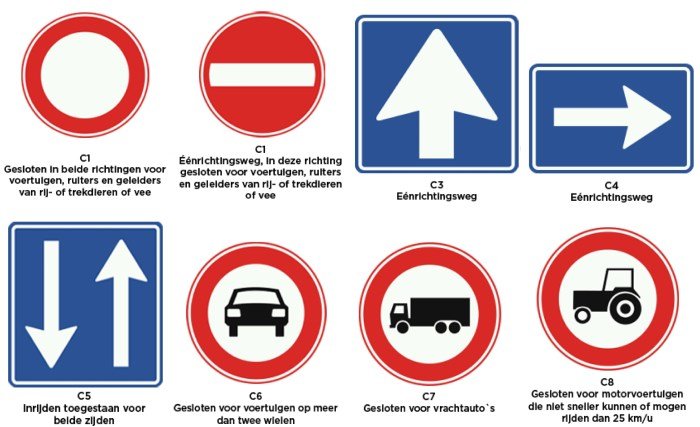
- Arrow pointing straight ahead: Congratulations, you’re already heading in the right direction! Keep going, and eventually, you'll reach… something.
- Arrow pointing left or right: Time to make a turn! Unless, of course, you're feeling rebellious. But don't say I didn't warn you.
- Arrow pointing up: This usually means you need to take a bridge or an overpass. Don't worry, the Dutch are masters of infrastructure. Just try not to look down.
- Arrow pointing down: Uh oh. This could mean you're about to enter a tunnel. Or it could mean you're about to drive off a cliff. Proceed with caution. (Just kidding! Mostly.) It probably just means you're going downhill.
The most important thing to remember is: trust the arrow. The Dutch are notoriously good at signage. They wouldn’t steer you wrong… intentionally. (Although, I have heard stories of mischievous teenagers swapping the arrows around late at night. But those are just rumors, right? Right?)
The Hilarious Misadventures of Following the Blue Arrow
I once followed a Vierkant Blauw Bord Met Pijl for a solid 20 minutes, convinced I was heading towards some hidden gem of a Dutch pancake house. Instead, I ended up at a wastewater treatment plant. Let's just say the aroma was… less than appetizing. It was a valuable lesson in trusting, but verifying.

Another time, a friend of mine followed one of these arrows, hoping to find a picturesque canal for a romantic picnic. He ended up in a parking lot full of delivery vans. The romance died a quick, asphalt-covered death that day.
The point is, following these signs can be an adventure. Sometimes a good adventure. Sometimes an adventure that involves holding your breath and questioning your life choices. But always an adventure!
Why Should You Care About a Square Blue Sign?
Because it's quintessentially Dutch. It represents the country's commitment to organization, efficiency, and a slightly quirky sense of humor. It’s a reminder that even the most mundane aspects of life can be infused with a little bit of mystery and a whole lot of practicality.

So, the next time you're driving or cycling through the Netherlands and you spot a Vierkant Blauw Bord Met Pijl, don't just dismiss it as another boring traffic sign. Embrace the uncertainty. Follow the arrow. Who knows where it might lead? Maybe to a hidden treasure, maybe to a wastewater treatment plant. But either way, it'll be a story worth telling over a cup of strong Dutch coffee (koffie!). And hey, if you end up lost, at least you'll have a funny anecdote to share. And that, my friends, is priceless.
And remember: when in doubt, ask a local! They may look confused when you start talking about "Vierkant Blauw Bord Met Pijl," but they'll eventually understand. And they'll probably have a hilarious story of their own to share.
Final Thoughts
The Vierkant Blauw Bord Met Pijl: it’s more than just a sign; it’s a Dutch cultural icon. Embrace the blue, trust the arrow, and prepare for adventure. Just maybe pack a nose plug… just in case.