Wordt Vervolgd Of Word Vervolgd

Hoi! Ever seen those two little words at the end of a chapter in a book, or maybe flashing across the screen after an exciting episode of your favorite series? I'm talking about "Wordt Vervolgd" or, sometimes, "Word Vervolgd". But which one is it? And what's the big deal anyway? Well, settle in, grab a stroopwafel, and let's dive in!
The Cliffhanger's Kiss: What's "Wordt Vervolgd" About?
In essence, "Wordt Vervolgd" (or "Word Vervolgd") is Dutch for "To be continued". Think of it as the dramatic drumroll before the next act, the tantalizing hint that there's more story to come. It's that feeling of anticipation, that slightly agonizing wait to find out what happens next. Haven't we all felt that?
Imagine you're reading a really gripping novel. The hero is about to face the villain, a crucial secret is about to be revealed, or maybe a budding romance is about to blossom. And then... bam! "Wordt Vervolgd". Argh! It's designed to leave you hanging, wanting more. It’s the literary equivalent of someone snatching the last frikandel from your plate just as you're about to take a bite. Frustrating, yet oh-so-effective!
Must Read
"Wordt" or "Word": The Grammatical Gripe
Okay, now for the million-dollar question (or maybe the ten-eurocent question, considering we're talking Dutch): Wordt Vervolgd or Word Vervolgd? Which one is correct? This is where things get a little... nuanced. It’s a grammar debate that can even make seasoned linguists scratch their heads (okay, maybe not that dramatic, but you get the idea!).
The traditional, grammatically "correct" version is "Wordt Vervolgd". Here's why: "Vervolgd" is a past participle, and it needs the auxiliary verb "worden" to form the passive voice. Think of it like building with LEGOs – you need all the right pieces to make the complete structure. "Wordt" is the present tense form of "worden," so literally it translates closer to "Is being continued" or "Will be continued."
However, language is a living, breathing thing, constantly evolving and adapting. And that's where "Word Vervolgd" comes in. You’ll often see this version, especially in more informal contexts, like online content or comics. It's a shortened, more direct form. Is it technically incorrect? Maybe. Is it commonly used and understood? Absolutely! It's like wearing sneakers to a fancy dinner – not traditional, but comfortable and still gets you where you need to go.
A Quick Grammar Breakdown (If You're Feeling Brave!)
If you're a grammar geek (no judgment!), here's a slightly deeper dive:
- Wordt Vervolgd: Passive voice construction, grammatically sound.
- Word Vervolgd: Shorter, more direct; considered less formal, but widely accepted.
The difference is subtle, but it's there. Kind of like the difference between using "u" and "je" in Dutch. It all depends on the context and the level of formality.

Why "Wordt/Word Vervolgd" Is So Darn Cool
So, why is this little phrase so captivating? What makes it more interesting than just simply saying "The End"?
- Builds Suspense: It's the ultimate cliffhanger, leaving you wanting more. Think of it like the end of a great episode of "Wie is de Mol?". You HAVE to know what happens next!
- Keeps You Engaged: It reminds you that the story isn't over, encouraging you to come back for more. It’s a promise of future excitement, a little carrot dangling in front of you.
- Adds a Touch of Nostalgia: For many Dutch speakers (and fans of Dutch media), "Wordt Vervolgd" evokes a sense of childhood memories, of eagerly awaiting the next episode of a favorite TV show or the next issue of a comic book.
- It’s Uniquely Dutch: While other languages have similar phrases, "Wordt Vervolgd" has a distinct cultural weight in the Netherlands and Belgium. It's part of the Dutch storytelling tradition.
Examples in Action: Where You Might Spot It
You'll find "Wordt Vervolgd" (or "Word Vervolgd") in all sorts of places:
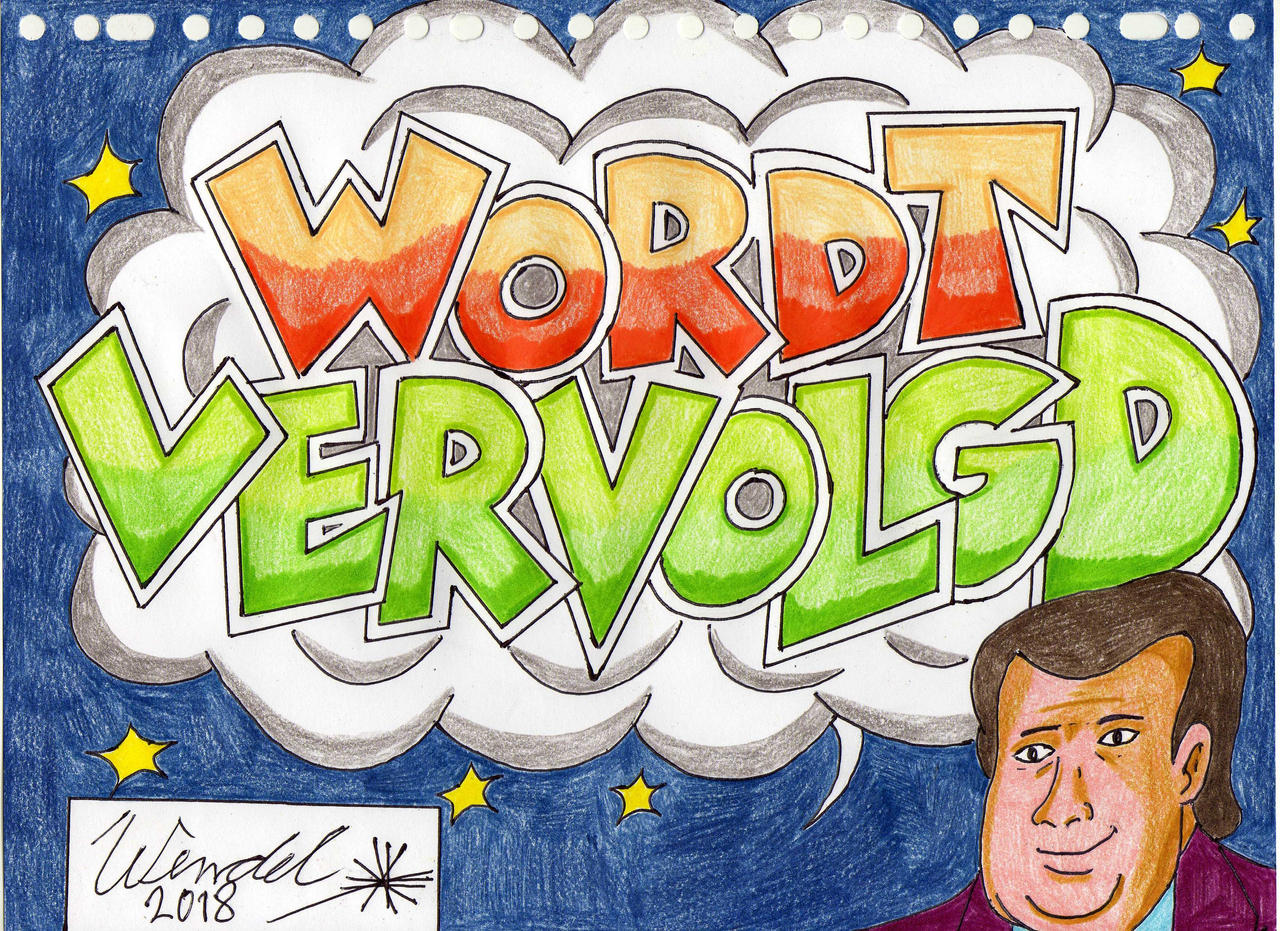
- Books: Especially in series or serialized stories.
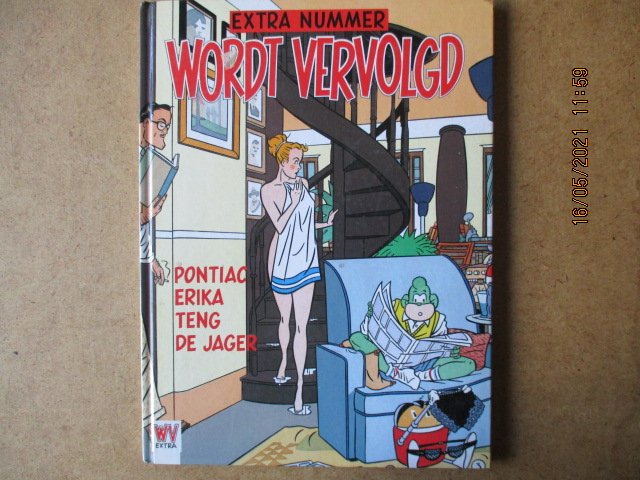
- Comics: A classic usage, particularly in weekly or monthly publications.
- Television: At the end of episodes of ongoing dramas or comedies.
- Online Content: Blogs, webcomics, and online serials often use it to signal the end of a chapter or installment.
- Games: Some video games with episodic content use it to indicate the next part is coming soon.
Basically, anywhere a story is being told in installments, you might encounter this little gem.
"Wordt Vervolgd" in a Global Context: Other Cliffhangers Around the World
While "Wordt Vervolgd" is distinctly Dutch, the concept of the cliffhanger is universal. Other languages have their own ways of saying "To be continued":
- English: To be continued... / TBC
- French: À suivre...
- German: Wird fortgesetzt...
- Spanish: Continuará...
- Italian: Continua...
Each phrase carries its own subtle nuances and cultural baggage, but the core message remains the same: the story isn't over yet!
The Future of "Wordt Vervolgd"
In a world of instant gratification and binge-watching, does "Wordt Vervolgd" still have a place? I think it absolutely does! While we might not have to wait a week for the next episode like we used to, the anticipation and excitement it generates are still valuable. It's a reminder that good stories take time to unfold, and that the journey is just as important as the destination.
So, the next time you see "Wordt Vervolgd" (or "Word Vervolgd"), take a moment to appreciate the artistry of the cliffhanger. Embrace the suspense, and get ready for the next chapter. Because, after all, the best stories are the ones that keep us coming back for more. What do you think? Is "Wordt Vervolgd" a timeless classic, or a relic of a bygone era? Let me know in the comments!
And now, I think it’s time to end this post… Wordt Vervolgd! (Maybe…)